HTTP 200 OK
Allow: GET, HEAD, OPTIONS
Content-Type: application/json
Vary: Accept

{
    "count": 36981,
    "next": "https://api.spaceflightnewsapi.net/v4/articles/?format=api&limit=10&offset=9060&ordering=-published_at",
    "previous": "https://api.spaceflightnewsapi.net/v4/articles/?format=api&limit=10&offset=9040&ordering=-published_at",
    "results": [
        {
            "id": 31442,
            "title": "Enpulsion Unveils Nexus, Its Most Powerful Electric Propulsion System to Date",
            "authors": [
                {
                    "name": "Enpulsion",
                    "socials": null
                }
            ],
            "url": "https://spacenews.com/enpulsion-unveils-nexus-its-most-powerful-electric-propulsion-system-to-date/",
            "image_url": "https://i0.wp.com/spacenews.com/wp-content/uploads/2025/05/enpulsion-square.png?fit=1024%2C1024&quality=80&ssl=1",
            "news_site": "SpaceNews",
            "summary": "\n[Vienna, Austria] — [May 27, 2025] — Enpulsion, a global leader in electric propulsion systems for small satellites, announces the launch of Nexus, its most advanced propulsion system to date. […]\nThe post Enpulsion Unveils Nexus, Its Most Powerful Electric Propulsion System to Date appeared first on SpaceNews.",
            "published_at": "2025-05-27T16:39:43Z",
            "updated_at": "2025-05-27T16:40:14.826718Z",
            "featured": false,
            "launches": [],
            "events": []
        },
        {
            "id": 31441,
            "title": "Inauguration of the European Space Deep-Tech Innovation Centre (ESDI) – first ESA presence in Switzerland",
            "authors": [
                {
                    "name": "ESA",
                    "socials": null
                }
            ],
            "url": "https://www.esa.int/About_Us/Business_with_ESA/Inauguration_of_the_European_Space_Deep-Tech_Innovation_Centre_ESDI_first_ESA_presence_in_Switzerland",
            "image_url": "https://www.esa.int/var/esa/storage/images/esa_multimedia/images/2025/05/park_innovaare/26718081-1-eng-GB/Park_Innovaare_card_full.jpg",
            "news_site": "ESA",
            "summary": "The European Space Agency (ESA) has inaugurated the European Space Deep-Tech Innovation Centre (ESDI), the first ESA presence in Switzerland, created in close collaboration with the Paul Scherrer Institute (PSI). The new centre is located at the Switzerland Innovation Park Innovaare in Villigen. The opening highlights the growing role of deep tech in space exploration and its potential to boost Europe's growth and competitiveness.",
            "published_at": "2025-05-27T15:48:00Z",
            "updated_at": "2025-05-27T16:00:22.878042Z",
            "featured": false,
            "launches": [],
            "events": []
        },
        {
            "id": 31434,
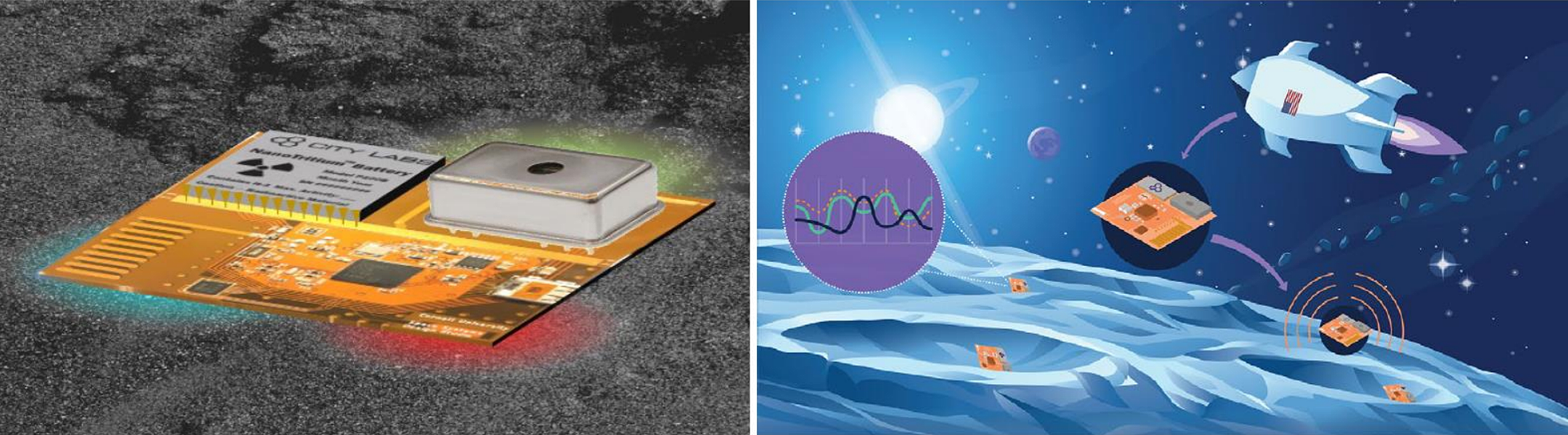
            "title": "Autonomous Tritium Micropowered Sensors",
            "authors": [
                {
                    "name": "NASA",
                    "socials": null
                }
            ],
            "url": "https://www.nasa.gov/directorates/stmd/niac/niac-studies/autonomous-tritium-micropowered-sensors-2/",
            "image_url": "https://www.nasa.gov/wp-content/uploads/2025/04/niac25ph2-cabauy.png",
            "news_site": "NASA",
            "summary": "Peter CabauyCity Labs, Inc. The NIAC Phase I study confirmed the feasibility of nuclear-micropowered probes (NMPs) using tritium betavoltaic power technology for autonomous exploration of the Moon’s permanently shadowed regions (PSRs). This work advanced the technology’s readiness level (TRL) from TRL 1 to TRL 2, validating theoretical models and feasibility assessments. Phase II will refine […]",
            "published_at": "2025-05-27T15:38:29Z",
            "updated_at": "2025-05-27T15:40:08.678718Z",
            "featured": false,
            "launches": [],
            "events": []
        },
        {
            "id": 31435,
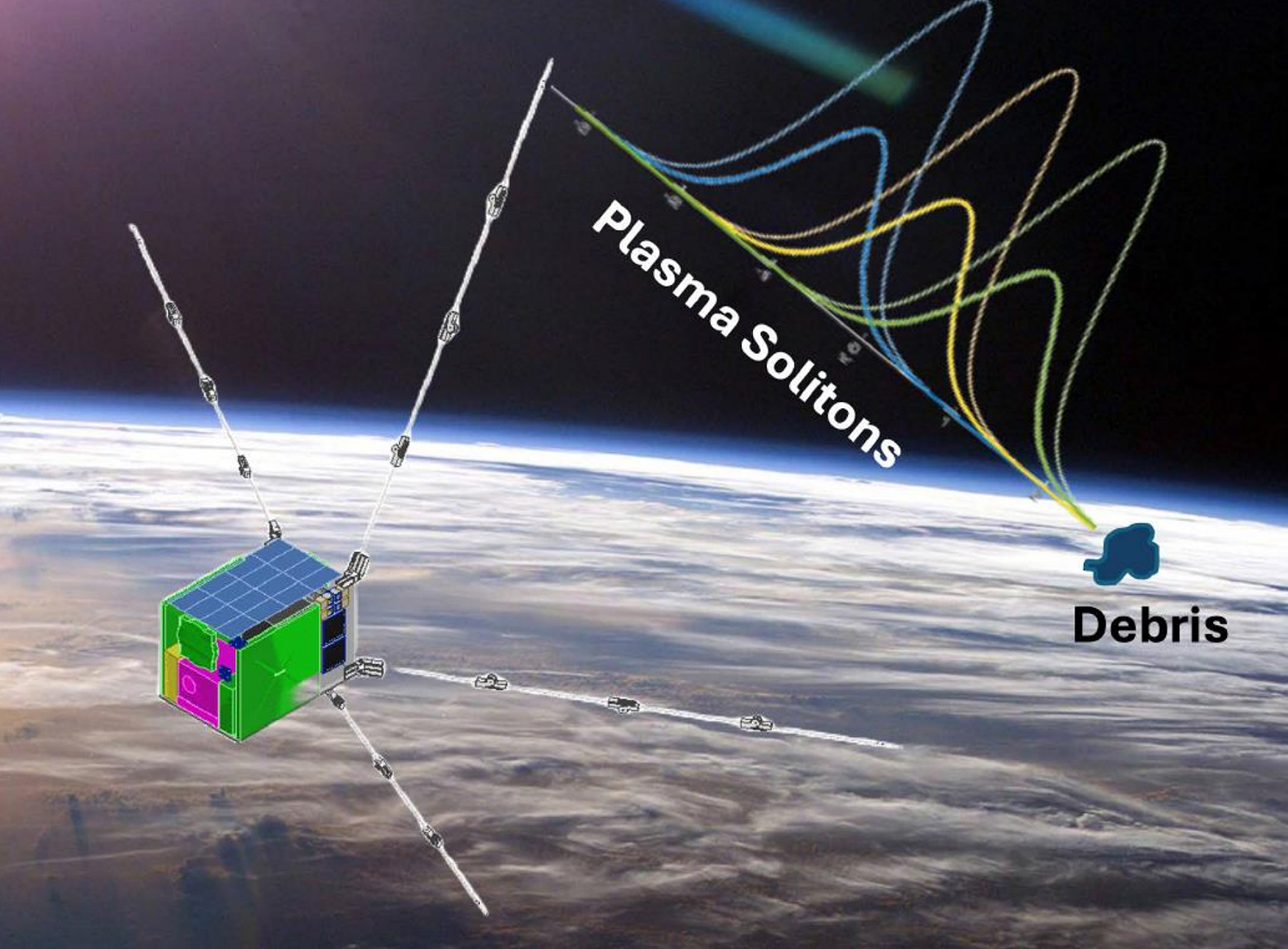
            "title": "Addressing Key Challenges To Mapping Sub-cm Orbital Debris in LEO via Plasma Soliton Detection",
            "authors": [
                {
                    "name": "NASA",
                    "socials": null
                }
            ],
            "url": "https://www.nasa.gov/directorates/stmd/niac/niac-studies/addressing-key-challenges-to-mapping-sub-cm-orbital-debris-in-leo-via-plasma-soliton-detection/",
            "image_url": "https://www.nasa.gov/wp-content/uploads/2025/04/niac25ph2-hartzell.png",
            "news_site": "NASA",
            "summary": "Christine HartzellUniversity of Maryland, College Park The proposed investigation will address key technological challenges associated with a previously funded NIAC Phase I award titled “On-Orbit, Collision-Free Mapping of Small Orbital Debris”. Sub-cm orbital debris in LEO is not detectable or trackable using conventional technologies and poses a major hazard to crewed and un-crewed spacecraft. Orbital […]",
            "published_at": "2025-05-27T15:38:16Z",
            "updated_at": "2025-05-27T15:40:08.696680Z",
            "featured": false,
            "launches": [],
            "events": []
        },
        {
            "id": 31436,
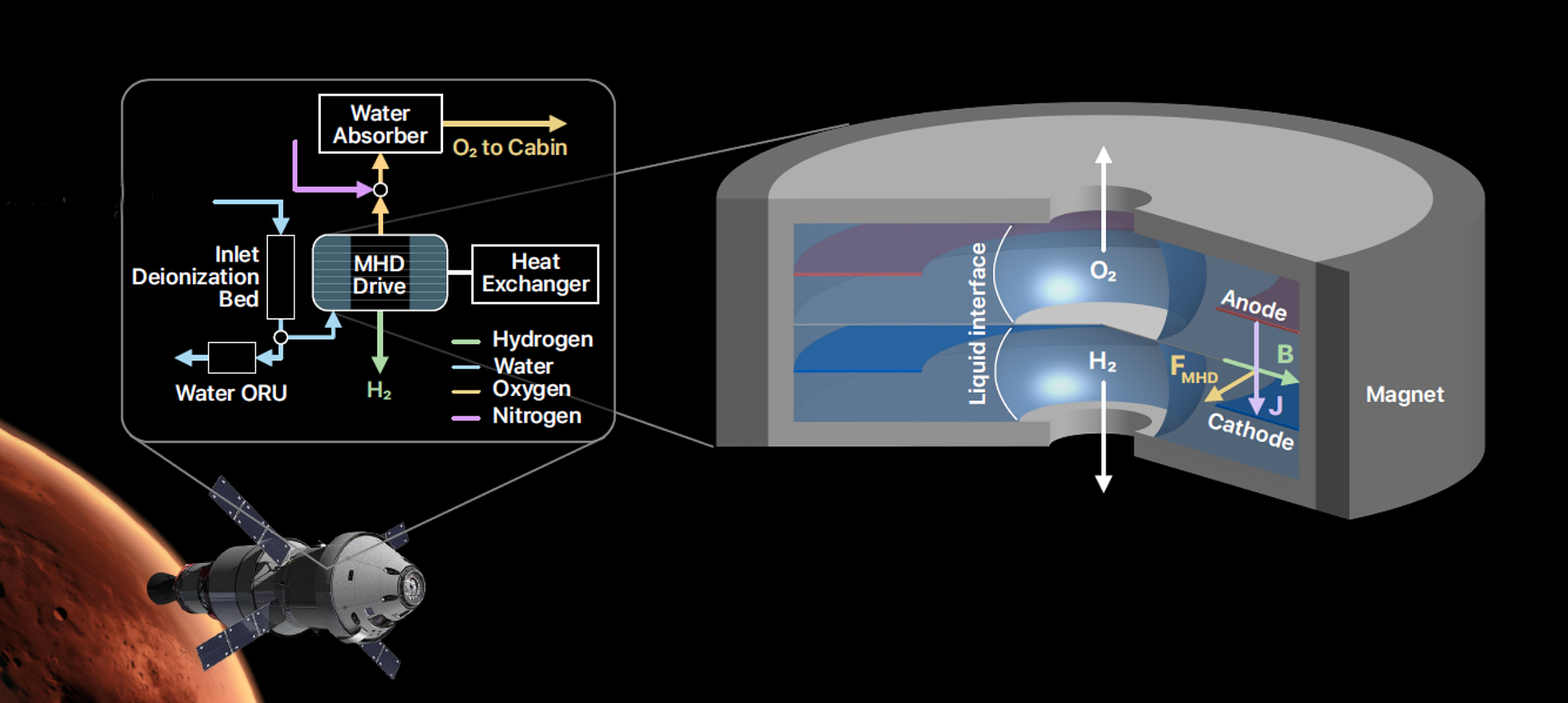
            "title": "Breathing Beyond Earth: A Reliable Oxygen Production Architecture for Human Space Exploration",
            "authors": [
                {
                    "name": "NASA",
                    "socials": null
                }
            ],
            "url": "https://www.nasa.gov/directorates/stmd/niac/niac-studies/breathing-beyond-earth-a-reliable-oxygen-production-architecture-for-human-space-exploration/",
            "image_url": "https://www.nasa.gov/wp-content/uploads/2025/04/niac25ph2-romero-calvo.png",
            "news_site": "NASA",
            "summary": "Alvaro Romero-CalvoGeorgia Tech Research Corporation The reliable and efficient operation of spacecraft life support systems is challenged in microgravity by the near absence of buoyancy. This impacts the electrolytic production of oxygen and hydrogen from water by forcing the adoption of complex multiphase flow management technologies. Still, water splitting plays an essential role in human […]",
            "published_at": "2025-05-27T15:37:56Z",
            "updated_at": "2025-05-27T15:40:08.723495Z",
            "featured": false,
            "launches": [],
            "events": []
        },
        {
            "id": 31437,
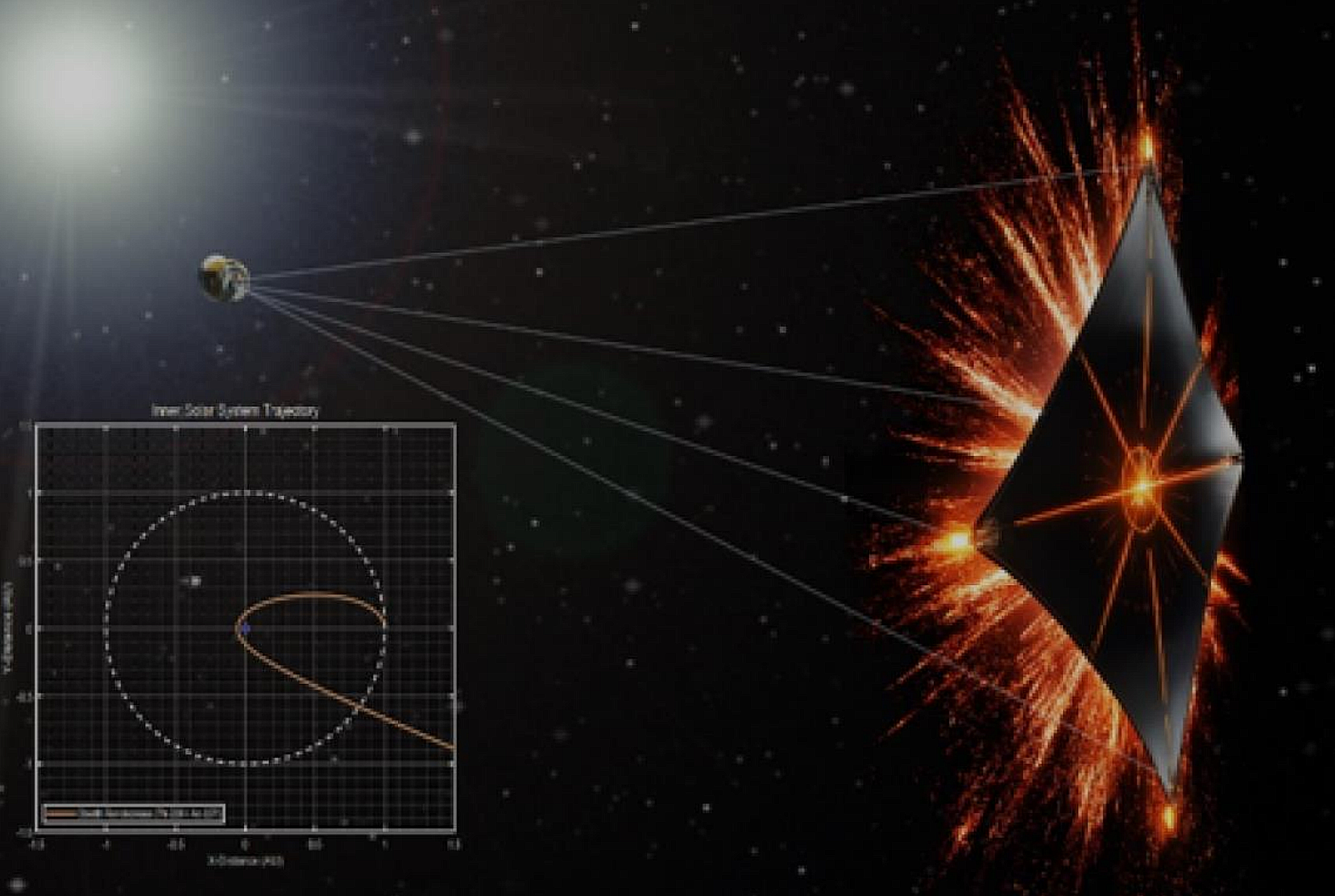
            "title": "TFINER – Thin Film Isotope Nuclear Engine Rocket",
            "authors": [
                {
                    "name": "NASA",
                    "socials": null
                }
            ],
            "url": "https://www.nasa.gov/directorates/stmd/niac/niac-studies/tfiner-thin-film-isotope-nuclear-engine-rocket/",
            "image_url": "https://www.nasa.gov/wp-content/uploads/2025/04/niac25ph2-bickford.png",
            "news_site": "NASA",
            "summary": "James BickfordCharles Stark Draper Laboratory, Inc. The Thin-Film Nuclear Engine Rocket (TFINER) is a novel space propulsion technology that enables aggressive space exploration for missions that are impossible with existing approaches. The concept uses thin layers of energetic radioisotopes to directly generate thrust. The emission direction of its natural decay products is biased by a […]",
            "published_at": "2025-05-27T15:37:38Z",
            "updated_at": "2025-05-27T15:40:08.729415Z",
            "featured": false,
            "launches": [],
            "events": []
        },
        {
            "id": 31438,
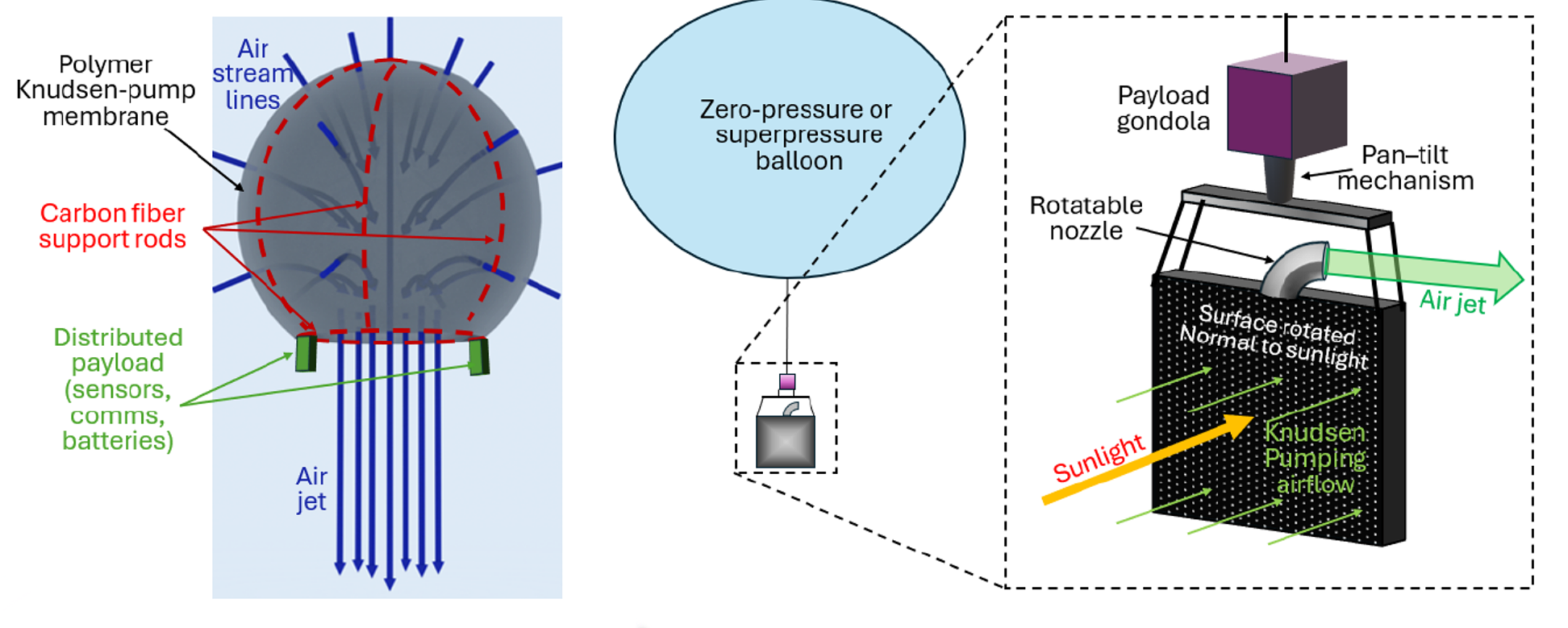
            "title": "Photophoretic Propulsion Enabling Mesosphere Exploration",
            "authors": [
                {
                    "name": "NASA",
                    "socials": null
                }
            ],
            "url": "https://www.nasa.gov/directorates/stmd/niac/photophoretic-propulsion-enabling-mesosphere-exploration-2/",
            "image_url": "https://www.nasa.gov/wp-content/uploads/2025/04/niac25ph2-bargatin.png",
            "news_site": "NASA",
            "summary": "Igor BargatinUniversity of Pennsylvania We propose to use the photophoretic levitation and propulsion mechanism to create no-moving-parts flying vehicles that can be used to explore Earth’s upper atmosphere. The photophoretic force arises when a solid is heated relative to the ambient gas through illumination, inducing momentum exchange between the solid and the gas. The force […]",
            "published_at": "2025-05-27T15:37:26Z",
            "updated_at": "2025-05-27T15:40:08.735331Z",
            "featured": false,
            "launches": [],
            "events": []
        },
        {
            "id": 31439,
            "title": "Mars Roundtrip Success Enabled by Integrated Cooling through Inductively Coupled LED Emission (MaRS ICICLE)",
            "authors": [
                {
                    "name": "NASA",
                    "socials": null
                }
            ],
            "url": "https://www.nasa.gov/directorates/stmd/niac/niac-studies/mars-roundtrip-success-enabled-by-integrated-cooling-through-inductively-coupled-led-emission-mars-icicle/",
            "image_url": "https://www.nasa.gov/wp-content/uploads/2025/04/niac25ph2-raman.png",
            "news_site": "NASA",
            "summary": "Aaswath Pattabhi RamanUniversity of California, Los Angeles Exploration of Mars has captivated the public in recent decades with high-profile robotic missions and the images they have acquired seeding our collective imagination. NASA is actively planning for human exploration of Mars and laid out some of the key capabilities that must be developed to execute successful, […]",
            "published_at": "2025-05-27T15:37:05Z",
            "updated_at": "2025-05-27T15:40:08.740296Z",
            "featured": false,
            "launches": [],
            "events": []
        },
        {
            "id": 31440,
            "title": "Gravity Poppers: Hopping Probes for the Interior Mapping of Small Solar System Bodies",
            "authors": [
                {
                    "name": "NASA",
                    "socials": null
                }
            ],
            "url": "https://www.nasa.gov/directorates/stmd/niac/niac-studies/gravity-poppers-hopping-probes-for-the-interior-mapping-of-small-solar-system-bodies-2/",
            "image_url": "https://www.nasa.gov/wp-content/uploads/2025/04/niac25ph2-hockman.png",
            "news_site": "NASA",
            "summary": "Benjamin HockmanNASA Jet Propulsion Laboratory The goal of this effort is to develop a robust and affordable mission architecture that enables the gravimetric density reconstruction of small body interiors to unprecedented precision. Our architecture relies on the novel concept of “Gravity Poppers,” which are small, minimalistic probes that are deployed to the surface of a […]",
            "published_at": "2025-05-27T15:36:49Z",
            "updated_at": "2025-05-27T15:40:08.746796Z",
            "featured": false,
            "launches": [],
            "events": []
        },
        {
            "id": 31433,
            "title": "APIO16 Radiation-Hardened 16-Bit I/O  Expander Sets a New Benchmark for Resilient System Design",
            "authors": [
                {
                    "name": "Apogee Semiconductor",
                    "socials": null
                }
            ],
            "url": "https://spacenews.com/apio16-radiation-hardened-16-bit-i-o-expander-sets-a-new-benchmark-for-resilient-system-design/",
            "image_url": "https://i0.wp.com/spacenews.com/wp-content/uploads/2025/02/apogee-square.png?fit=815%2C814&quality=80&ssl=1",
            "news_site": "SpaceNews",
            "summary": "\nApogee Semiconductor Launches Industry-First Rad-Hard 16-bit I/O Expander for Extreme Environments Apogee Semiconductor proudly announces APIO16, the industry’s first radiation-hardened 16-bit I/O expander, engineered to streamline digital expansion in spaceborne […]\nThe post APIO16 Radiation-Hardened 16-Bit I/O  Expander Sets a New Benchmark for Resilient System Design appeared first on SpaceNews.",
            "published_at": "2025-05-27T14:55:56Z",
            "updated_at": "2025-05-27T15:00:21.410092Z",
            "featured": false,
            "launches": [],
            "events": []
        }
    ]
}