HTTP 200 OK
Allow: GET, HEAD, OPTIONS
Content-Type: application/json
Vary: Accept

{
    "count": 36980,
    "next": "https://api.spaceflightnewsapi.net/v4/articles/?format=api&limit=10&offset=8780&ordering=-published_at",
    "previous": "https://api.spaceflightnewsapi.net/v4/articles/?format=api&limit=10&offset=8760&ordering=-published_at",
    "results": [
        {
            "id": 31720,
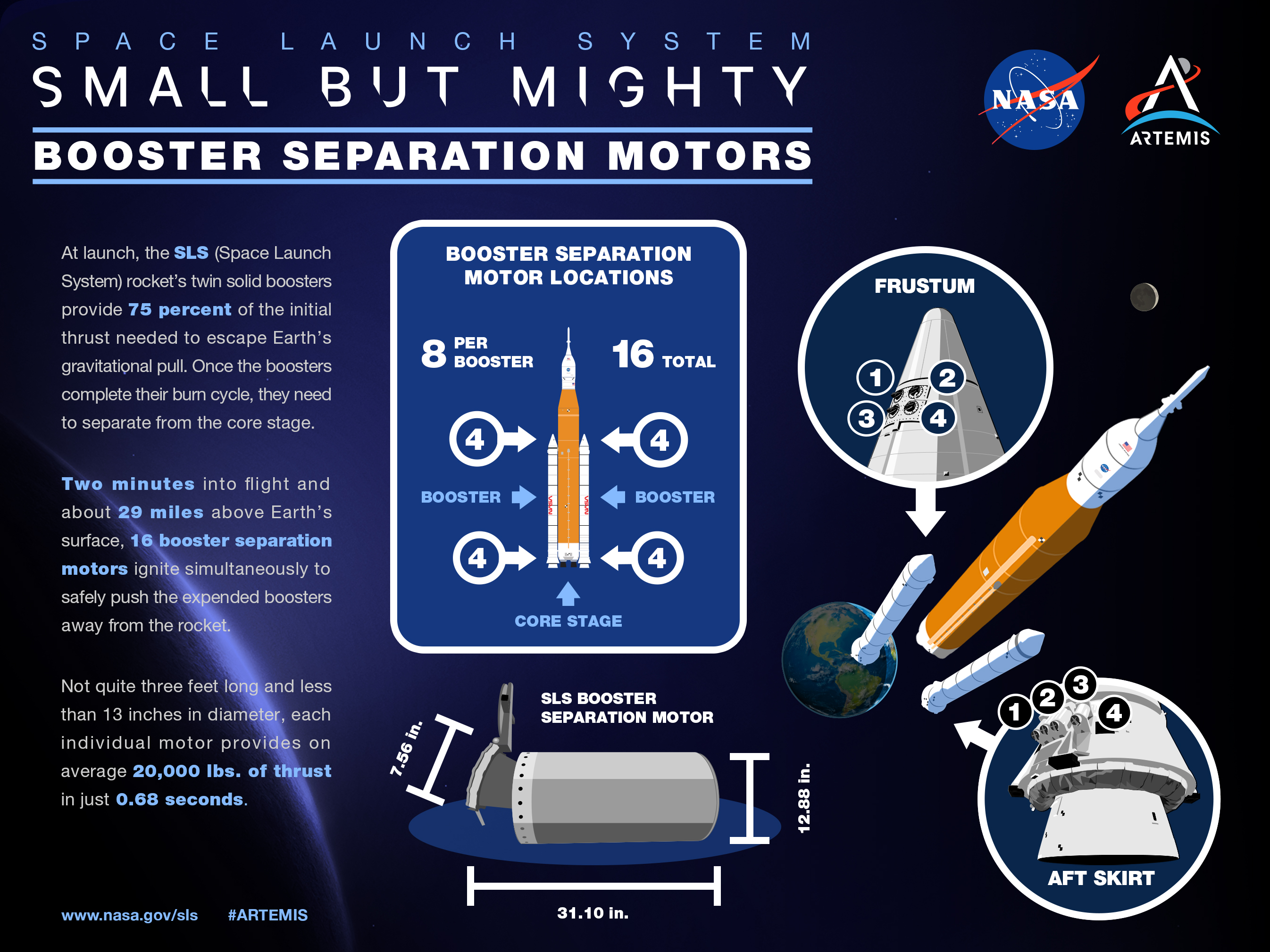
            "title": "NASA’s SLS Rocket: Booster Separation Motors",
            "authors": [
                {
                    "name": "NASA",
                    "socials": null
                }
            ],
            "url": "https://www.nasa.gov/image-article/nasas-sls-rocket-booster-separation-motors/",
            "image_url": "https://www.nasa.gov/wp-content/uploads/2025/06/bsm-infographic.jpg",
            "news_site": "NASA",
            "summary": "NASA’s SLS (Space Launch System) solid rocket boosters are the largest, most powerful solid propellant boosters to ever fly. Standing 17 stories tall and burning approximately six tons of propellant every second, each booster generates 3.6 million pounds of a thrust for a total of 7.2 million pounds: more thrust than 14 four-engine jumbo commercial […]",
            "published_at": "2025-06-12T19:08:46Z",
            "updated_at": "2025-06-12T19:10:17.447383Z",
            "featured": false,
            "launches": [],
            "events": []
        },
        {
            "id": 31719,
            "title": "The Exploration Company Launches Mission Possible Recovery Vessel",
            "authors": [
                {
                    "name": "European Spaceflight",
                    "socials": null
                }
            ],
            "url": "https://europeanspaceflight.com/the-exploration-company-launches-mission-possible-recovery-vessel/",
            "image_url": "https://europeanspaceflight.com/wp-content/uploads/2025/06/The-Exploration-Company-Launches-Mission-Possible-Recovery-Vessel-hero-image.webp",
            "news_site": "European Spaceflight",
            "summary": "European space logistics startup The Exploration Company has announced that its recovery vessel, Makushin Bay, departed Dutch Harbor, Alaska, on 10 June. The vessel will be used to recover the company’s Mission Possible demonstrator capsule from the Pacific following its return from space. Founded in 2021, The Exploration Company is developing a space capsule called […]\r\nThe post The Exploration Company Launches Mission Possible Recovery Vessel appeared first on European Spaceflight.",
            "published_at": "2025-06-12T18:55:08Z",
            "updated_at": "2025-06-27T07:06:36.307275Z",
            "featured": false,
            "launches": [
                {
                    "launch_id": "0d3c2ff0-3b31-4066-8b33-5759b6866c39",
                    "provider": "Launch Library 2"
                }
            ],
            "events": []
        },
        {
            "id": 31718,
            "title": "Far Out",
            "authors": [
                {
                    "name": "NASA",
                    "socials": null
                }
            ],
            "url": "https://www.nasa.gov/image-article/far-out/",
            "image_url": "https://www.nasa.gov/wp-content/uploads/2025/06/pismis-24.jpg",
            "news_site": "NASA",
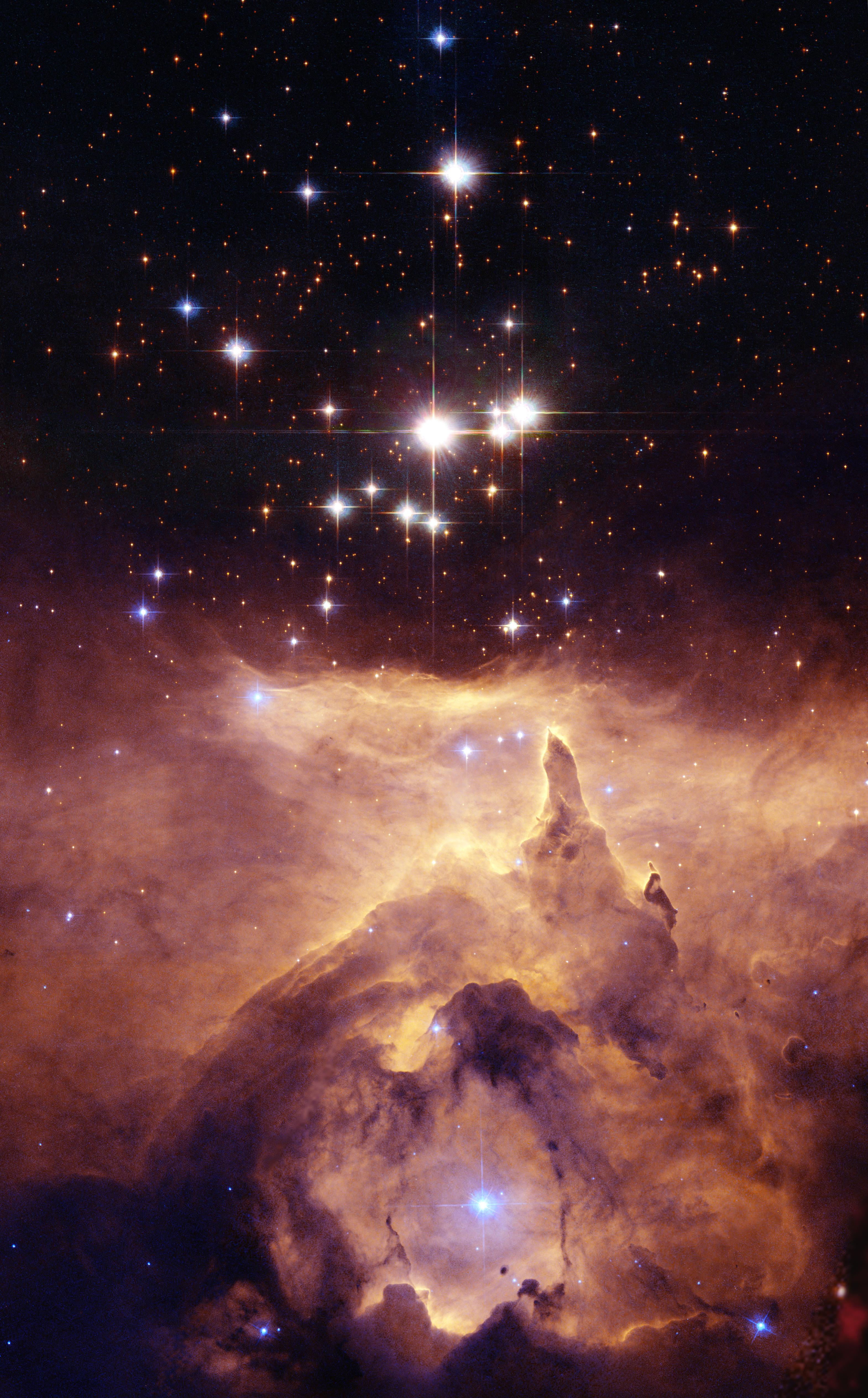
            "summary": "Pismis 24, the star cluster seen here in an image released on Dec. 11, 2006, lies within the much larger emission nebula called NGC 6357, located about 8,000 light-years from Earth. The brightest object in the picture was once thought to be a single star with an incredibly large mass of 200 to 300 solar […]",
            "published_at": "2025-06-12T18:41:56Z",
            "updated_at": "2025-06-12T18:50:13.689107Z",
            "featured": false,
            "launches": [],
            "events": []
        },
        {
            "id": 31717,
            "title": "NASA’s Hurricane Science, Tech, Data Help American Communities",
            "authors": [
                {
                    "name": "NASA",
                    "socials": null
                }
            ],
            "url": "https://science.nasa.gov/earth/nasas-hurricane-science-tech-data-help-american-communities/",
            "image_url": "https://assets.science.nasa.gov/dynamicimage/assets/science/esd/eo/images/imagerecords/153000/153440/ISS072-E-29325.jpg",
            "news_site": "NASA",
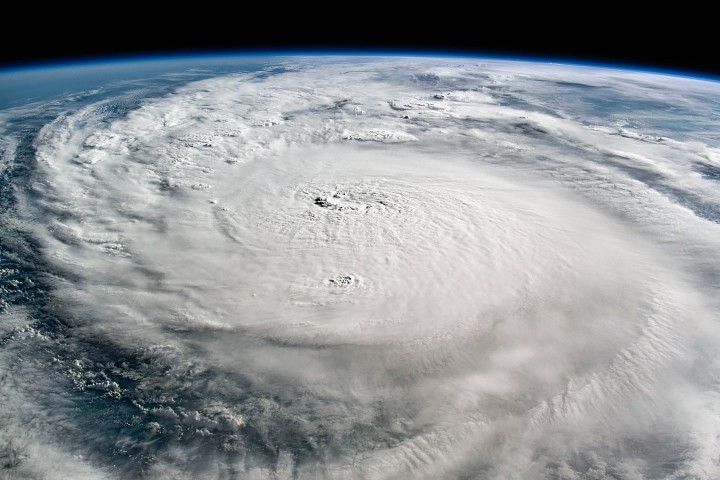
            "summary": "With hurricane season underway, NASA is gearing up to produce cutting-edge research to bolster the nation’s readiness and response to severe weather.",
            "published_at": "2025-06-12T17:48:30Z",
            "updated_at": "2025-06-12T18:10:18.991737Z",
            "featured": false,
            "launches": [],
            "events": []
        },
        {
            "id": 31715,
            "title": "NASA Sensor on Space Station Eyes Contamination off California Coast",
            "authors": [
                {
                    "name": "NASA",
                    "socials": null
                }
            ],
            "url": "https://www.nasa.gov/missions/station/iss-research/emit/nasa-sensor-on-space-station-eyes-contamination-off-california-coast/",
            "image_url": "https://www.nasa.gov/wp-content/uploads/2025/06/1-tijuana-river.jpg",
            "news_site": "NASA",
            "summary": "Proof-of-concept results from the mouth of the Tijuana River in San Diego County show how an instrument called EMIT could aid wastewater detection. An instrument built at NASA’s Jet Propulsion Laboratory  to map minerals on Earth is now revealing clues about water quality. A recent study found that EMIT (Earth Surface Mineral Dust Source Investigation) […]",
            "published_at": "2025-06-12T17:46:00Z",
            "updated_at": "2025-06-12T17:50:10.247016Z",
            "featured": false,
            "launches": [],
            "events": []
        },
        {
            "id": 31716,
            "title": "NASA, Museum to Launch Junior Pilot School for Young Innovators",
            "authors": [
                {
                    "name": "NASA",
                    "socials": null
                }
            ],
            "url": "https://www.nasa.gov/news-release/nasa-museum-to-launch-junior-pilot-school-for-young-innovators/",
            "image_url": "https://images-assets.nasa.gov/image/AFRC2025-0067-108/AFRC2025-0067-108~large.jpg",
            "news_site": "NASA",
            "summary": "A new generation of aerospace explorers will soon embark on a hands-on summer experience focusing on careers in science, mathematics, engineering, and technology (STEM). This month, NASA’s Armstrong Flight Research Center in Edwards, California, and the Flight Test Museum Foundation will launch the 2025 Junior Test Pilot School. Held at Blackbird Airpark and Joe Davies […]",
            "published_at": "2025-06-12T17:42:07Z",
            "updated_at": "2025-06-12T17:50:10.257186Z",
            "featured": false,
            "launches": [],
            "events": []
        },
        {
            "id": 31714,
            "title": "NASA Launching Rockets Into Radio-Disrupting Clouds",
            "authors": [
                {
                    "name": "NASA",
                    "socials": null
                }
            ],
            "url": "https://science.nasa.gov/science-research/heliophysics/nasa-launching-rockets-into-radio-disrupting-clouds/",
            "image_url": "https://assets.science.nasa.gov/content/dam/science/hpd/itm/SporadicElayers.gif",
            "news_site": "NASA",
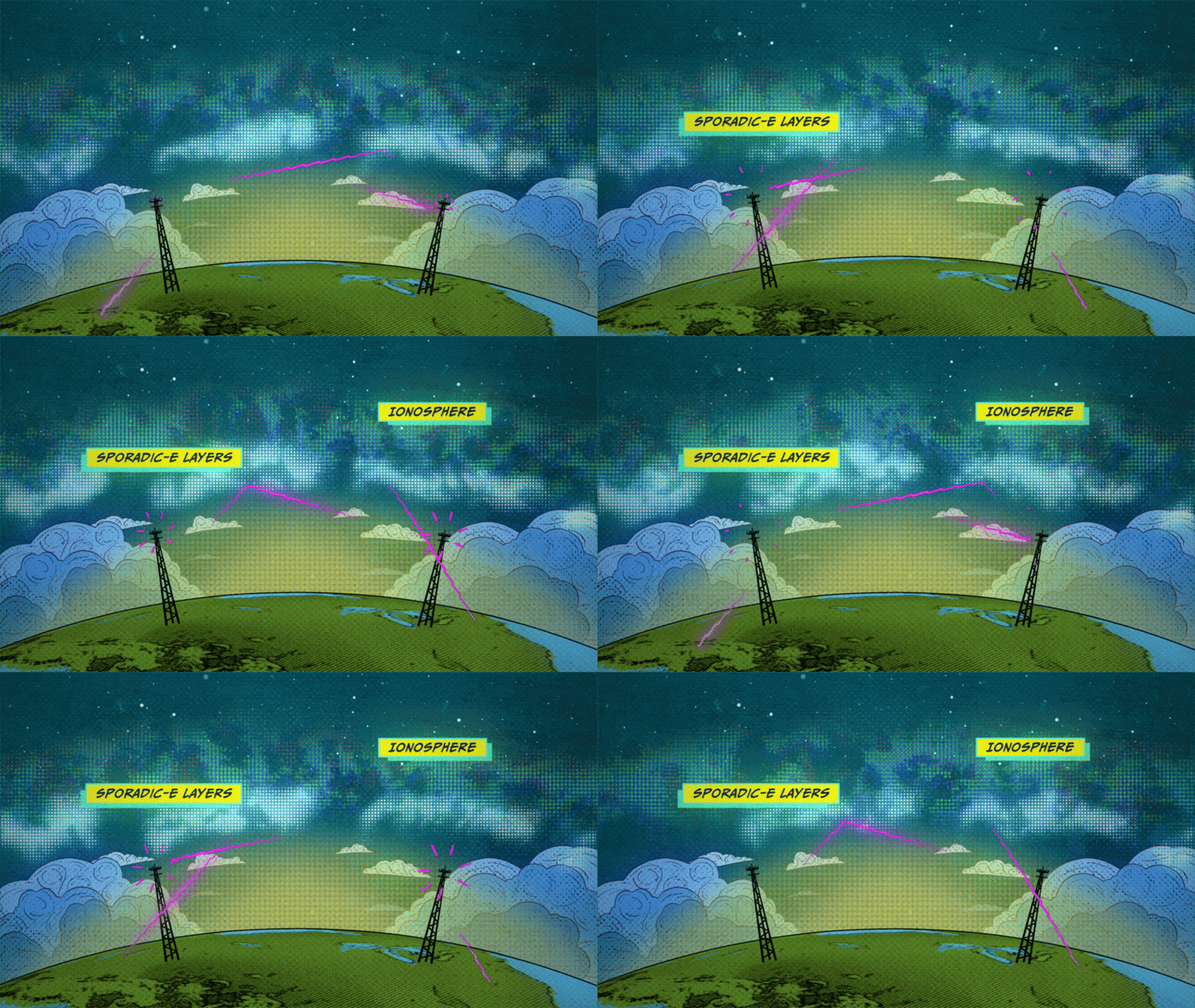
            "summary": "NASA is launching rockets from a remote Pacific island to study mysterious, high-altitude cloud-like structures that can disrupt critical communication systems. The mission, called Sporadic-E ElectroDynamics, or SEED, opens its three-week launch window from Kwajalein Atoll in the Marshall Islands on Friday, June 13. The atmospheric features SEED is studying are known as Sporadic-E layers, […]",
            "published_at": "2025-06-12T16:02:20Z",
            "updated_at": "2025-06-12T16:10:18.017981Z",
            "featured": false,
            "launches": [],
            "events": []
        },
        {
            "id": 31713,
            "title": "NASA’s Roman to Peer Into Cosmic ‘Lenses’ to Better Define Dark Matter",
            "authors": [
                {
                    "name": "NASA",
                    "socials": null
                }
            ],
            "url": "https://www.nasa.gov/missions/roman-space-telescope/nasas-roman-to-peer-into-cosmic-lenses-to-better-define-dark-matter/",
            "image_url": "https://www.nasa.gov/wp-content/uploads/2025/06/stsci-01jw96emd8y7ep2p1rf7tp7jy5.jpg",
            "news_site": "NASA",
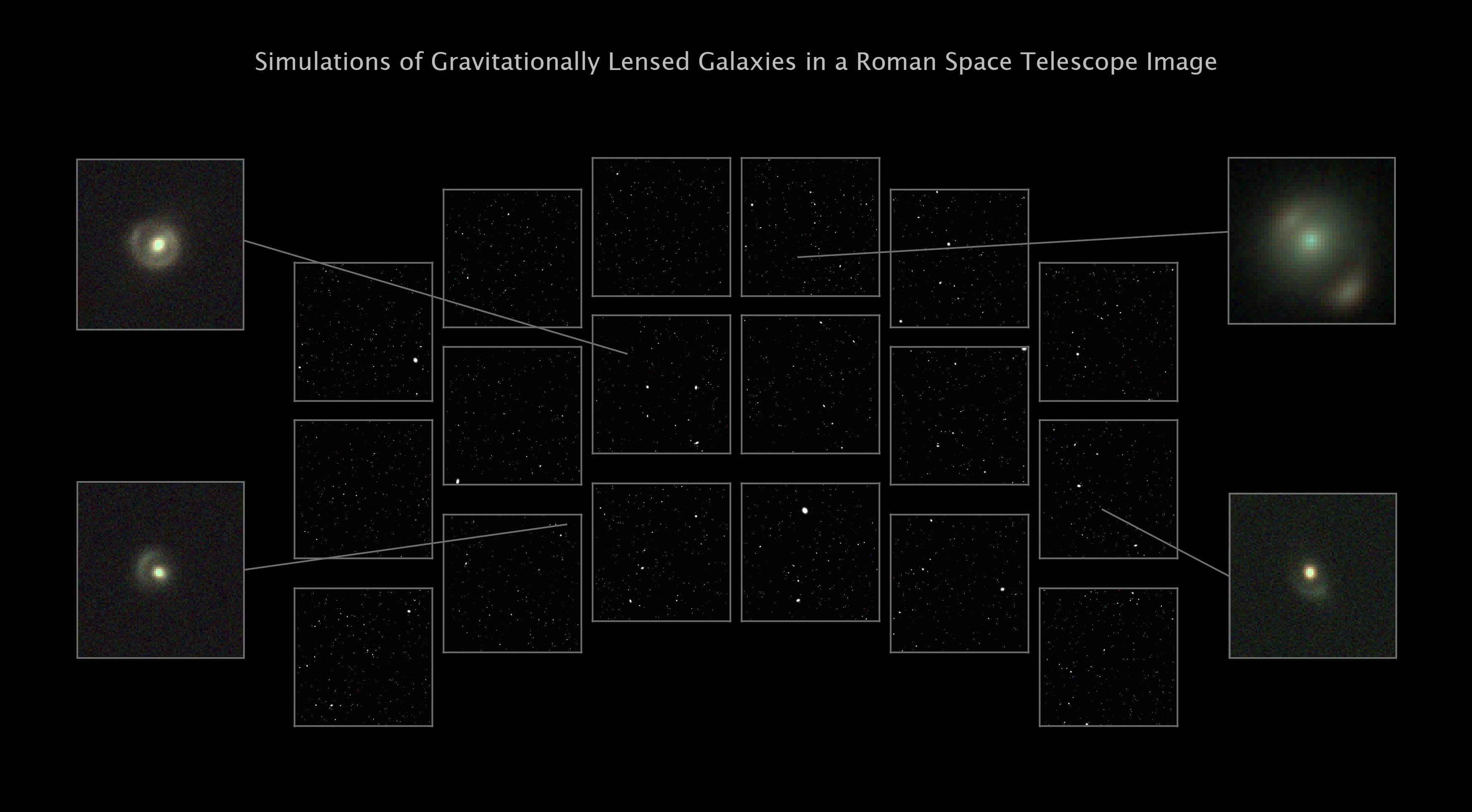
            "summary": "A funky effect Einstein predicted, known as gravitational lensing — when a foreground galaxy magnifies more distant galaxies behind it — will soon become common when NASA’s Nancy Grace Roman Space Telescope begins science operations in 2027 and produces vast surveys of the cosmos. A particular subset of gravitational lenses, known as strong lenses, is […]",
            "published_at": "2025-06-12T15:48:00Z",
            "updated_at": "2025-06-27T07:05:33.837173Z",
            "featured": false,
            "launches": [
                {
                    "launch_id": "521f3a1c-f977-4306-9b7f-495858719adf",
                    "provider": "Launch Library 2"
                }
            ],
            "events": []
        },
        {
            "id": 31712,
            "title": "Why space wrecks the human body",
            "authors": [
                {
                    "name": "SpaceNews Editor",
                    "socials": null
                }
            ],
            "url": "https://spacenews.com/why-space-wrecks-the-human-body/",
            "image_url": "https://i0.wp.com/spacenews.com/wp-content/uploads/2025/06/2000x1500-Nadia-Maarouf.png?fit=1024%2C768&quality=80&ssl=1",
            "news_site": "SpaceNews",
            "summary": "\nIn this week's episode of Space Minds, we explore how microgravity accelerates aging—and guest Dr. Nadia Maroouf shares her insights on the phenomenon and what she’s doing to help protect astronauts.\nThe post Why space wrecks the human body appeared first on SpaceNews.",
            "published_at": "2025-06-12T14:20:05Z",
            "updated_at": "2025-06-12T14:20:15.777027Z",
            "featured": false,
            "launches": [],
            "events": []
        },
        {
            "id": 31710,
            "title": "Studying Storms from Space Station",
            "authors": [
                {
                    "name": "NASA",
                    "socials": null
                }
            ],
            "url": "https://www.nasa.gov/missions/station/iss-research/studying-storms-from-space-station/",
            "image_url": "https://www.nasa.gov/wp-content/uploads/2024/09/jsc2023e030777orig.jpg",
            "news_site": "NASA",
            "summary": "Science in Space June 2025 Scientists use instruments on the International Space Station to study phenomena in Earth’s ionosphere or upper atmosphere including thunderstorms, lightning, and transient luminous events (TLEs). TLEs take many forms, including blue jets, discharges that grow upward into the stratosphere from cloud tops, and colorful bursts of energy above storms called […]",
            "published_at": "2025-06-12T14:00:00Z",
            "updated_at": "2025-06-12T14:00:22.170435Z",
            "featured": false,
            "launches": [],
            "events": []
        }
    ]
}