HTTP 200 OK
Allow: GET, HEAD, OPTIONS
Content-Type: application/json
Vary: Accept

{
    "count": 36868,
    "next": "https://api.spaceflightnewsapi.net/v4/articles/?format=api&limit=10&offset=3820&ordering=-published_at",
    "previous": "https://api.spaceflightnewsapi.net/v4/articles/?format=api&limit=10&offset=3800&ordering=-published_at",
    "results": [
        {
            "id": 36768,
            "title": "NASA and SpaceX disagree about manual controls for lunar lander",
            "authors": [
                {
                    "name": "Eric Berger",
                    "socials": null
                }
            ],
            "url": "https://arstechnica.com/space/2026/03/nasa-and-spacex-disagree-about-manual-controls-for-lunar-lander/",
            "image_url": "https://cdn.arstechnica.net/wp-content/uploads/2025/10/07_24_25_HLS_on_surface_elevator_down_4d48994673.jpg",
            "news_site": "Arstechnica",
            "summary": "\"NASA’s tracking of SpaceX’s manual control risk indicates a worsening trend.\"",
            "published_at": "2026-03-10T17:48:59Z",
            "updated_at": "2026-03-10T17:50:10.378936Z",
            "featured": false,
            "launches": [],
            "events": []
        },
        {
            "id": 36766,
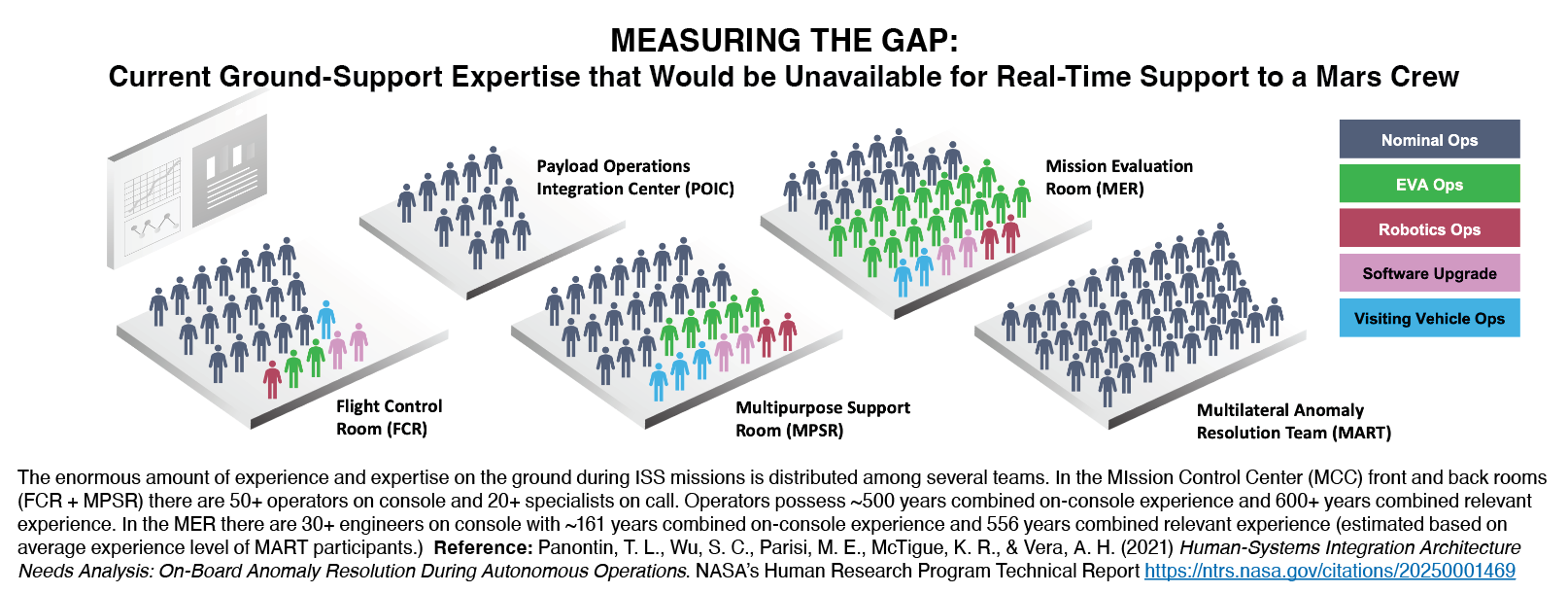
            "title": "Expanding the Human Factors Toolbox:  An Approach to Balancing Crew and Mission Design Parameters",
            "authors": [
                {
                    "name": "NASA",
                    "socials": null
                }
            ],
            "url": "https://www.nasa.gov/centers-and-facilities/nesc/expanding-the-human-factors-toolbox-an-approach-to-balancing-crew-and-mission-design-parameters/",
            "image_url": "https://www.nasa.gov/wp-content/uploads/2026/03/figure1.png",
            "news_site": "NASA",
            "summary": "This article is from the 2025 Technical Update. The human factors TDT looks for and creates opportunities to influence design to leverage human strengths and to protect people and missions. The human factors team has experts with knowledge of human performance in all aspects of NASA missions as well as from other safety-critical industries. The […]",
            "published_at": "2026-03-10T16:47:09Z",
            "updated_at": "2026-03-10T16:50:11.243320Z",
            "featured": false,
            "launches": [],
            "events": []
        },
        {
            "id": 36765,
            "title": "Precision in Orbit: Heraeus Catalysts Safeguard Satellite Control",
            "authors": [
                {
                    "name": "Heraeus Precious Metals",
                    "socials": null
                }
            ],
            "url": "https://spacenews.com/precision-in-orbit-heraeus-catalysts-safeguard-satellite-control/",
            "image_url": "https://i0.wp.com/spacenews.com/wp-content/uploads/2026/03/Screenshot-2026-03-10-at-7.59.30-AM.png?fit=1024%2C754&ssl=1",
            "news_site": "SpaceNews",
            "summary": "\nWhen a satellite travels through orbit at up to 17,500 mph, a fraction of a second can determine whether a course correction is successful, as even minor trajectory deviations can […]\nThe post Precision in Orbit: Heraeus Catalysts Safeguard Satellite Control appeared first on SpaceNews.",
            "published_at": "2026-03-10T16:30:38Z",
            "updated_at": "2026-03-10T16:40:32.314548Z",
            "featured": false,
            "launches": [],
            "events": []
        },
        {
            "id": 36767,
            "title": "Webinar 3/25: NASA CSDA Vendor Focus – Satellogic",
            "authors": [
                {
                    "name": "NASA",
                    "socials": null
                }
            ],
            "url": "https://science.nasa.gov/science-research/earth-science/webinar-3-25-nasa-csda-vendor-focus-satellogic/",
            "image_url": "https://science.nasa.gov/wp-content/uploads/2026/03/satellogic-webinar-banner-1200x675-1.jpg",
            "news_site": "NASA",
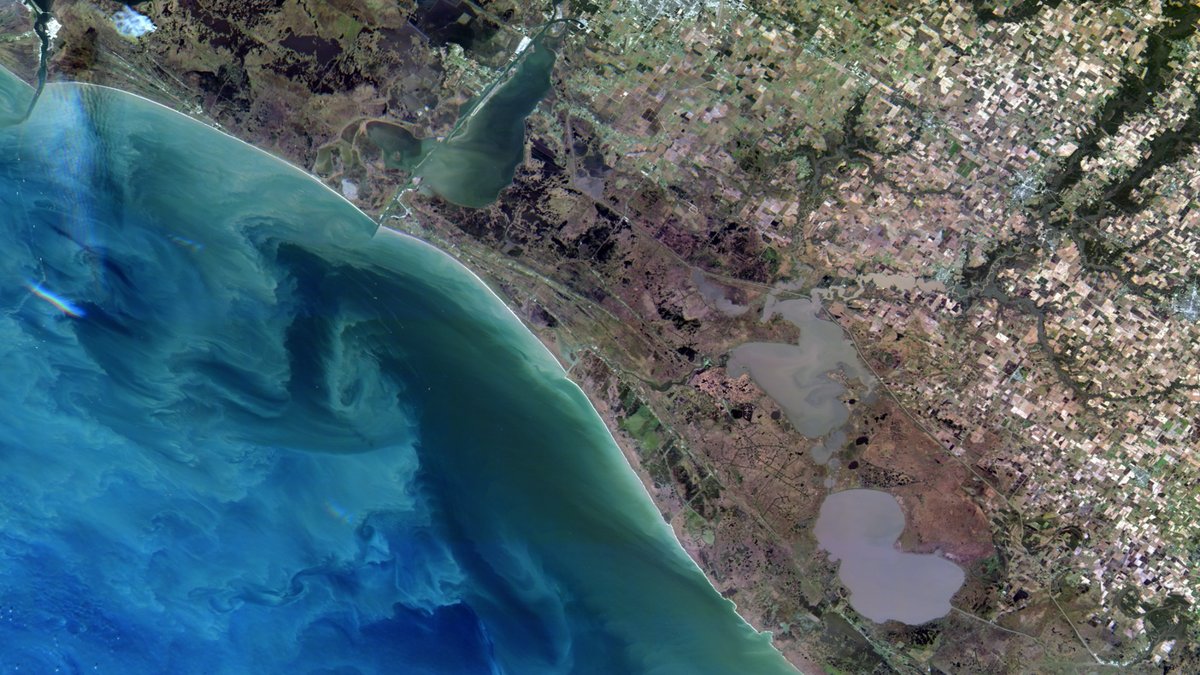
            "summary": "Join us March 25 at 2:00 p.m. EDT to learn more about the data offered by CSDA program vendor Satellogic.",
            "published_at": "2026-03-10T16:21:25Z",
            "updated_at": "2026-03-10T17:10:11.932874Z",
            "featured": false,
            "launches": [],
            "events": []
        },
        {
            "id": 36762,
            "title": "COPV Damage Tolerance Life Demonstration Guidelines",
            "authors": [
                {
                    "name": "NASA",
                    "socials": null
                }
            ],
            "url": "https://www.nasa.gov/centers-and-facilities/nesc/copv-damage-tolerance-life-demonstration-guidelines/",
            "image_url": "https://www.nasa.gov/wp-content/uploads/2026/03/copv-diagram.png",
            "news_site": "NASA",
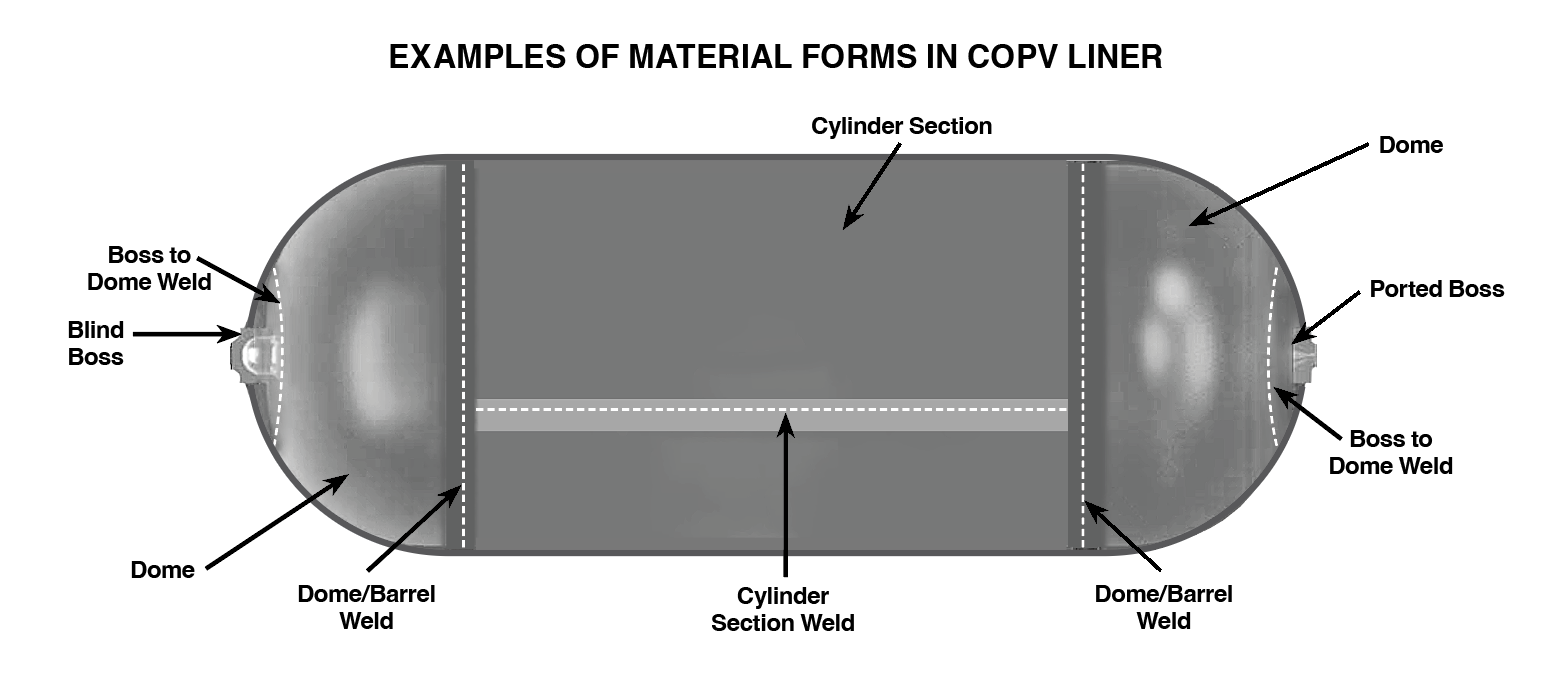
            "summary": "The NESC has invested significant time and resources to better understand composite overwrapped pressure vessels (COPV) performance and more importantly, how these complex, high-pressure storage systems can fail. These vessels, which store high pressure propulsion and life-support system fluids on launch vehicles and spacecraft, are ubiquitous at NASA, and failures have the potential to be catastrophic.  This year the […]",
            "published_at": "2026-03-10T16:19:10Z",
            "updated_at": "2026-03-10T16:20:19.821179Z",
            "featured": false,
            "launches": [],
            "events": []
        },
        {
            "id": 36763,
            "title": "A Technical Resource for the Agency",
            "authors": [
                {
                    "name": "NASA",
                    "socials": null
                }
            ],
            "url": "https://www.nasa.gov/centers-and-facilities/nesc/a-technical-resource-for-the-agency/",
            "image_url": "https://www.nasa.gov/wp-content/uploads/2026/03/photo1.png",
            "news_site": "NASA",
            "summary": "The NESC’s Thermal Control & Protection Technical Discipline Team (TDT) is a resource providing subject matter expertise in active and passive thermal control as well as ascent and entry thermal protection across the spectrum of agency needs. TDT members led or supported a variety of key activities including the ongoing Artemis I heat shield char […]",
            "published_at": "2026-03-10T16:14:18Z",
            "updated_at": "2026-03-10T16:20:19.869095Z",
            "featured": false,
            "launches": [],
            "events": []
        },
        {
            "id": 36764,
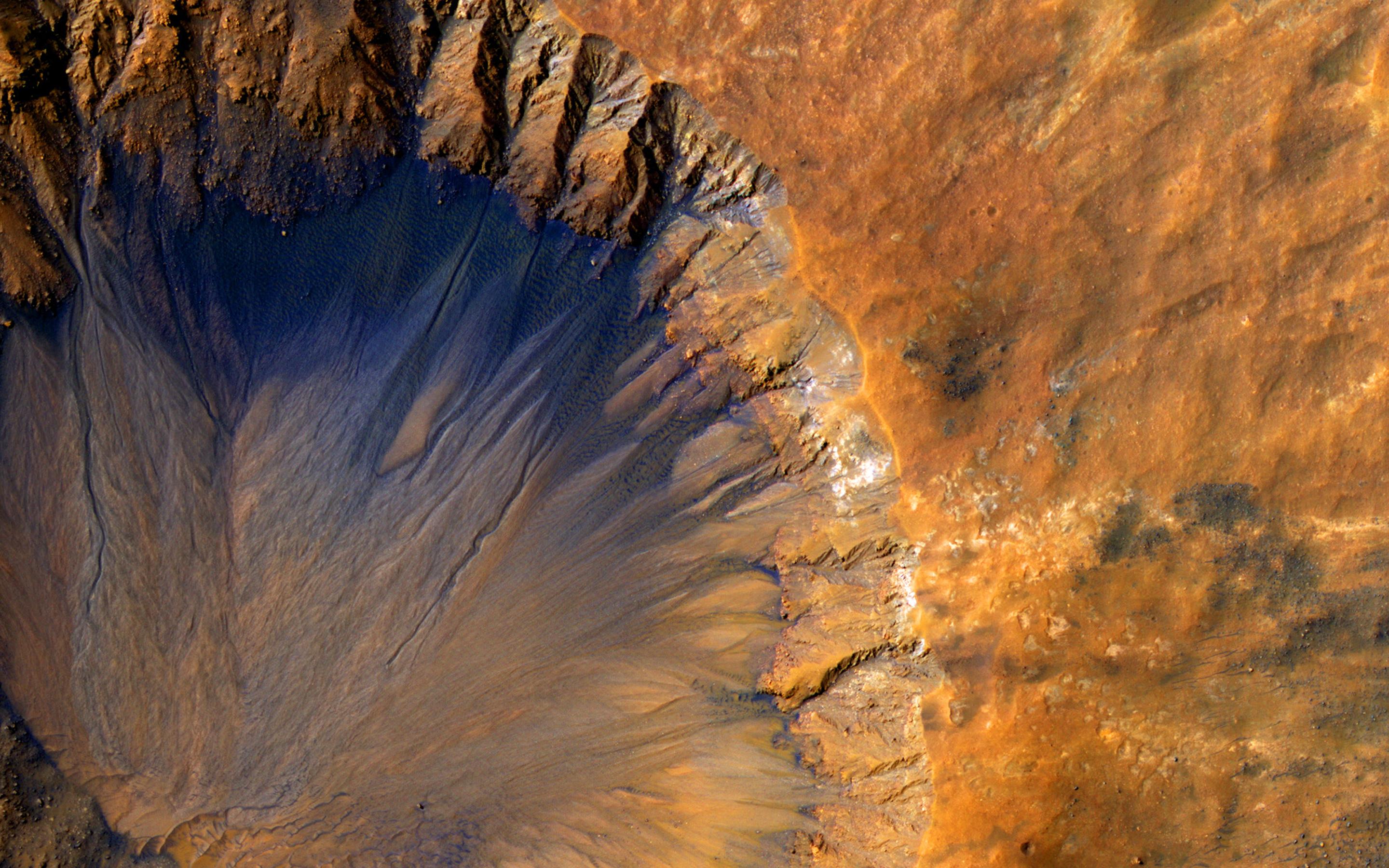
            "title": "Celebrating NASA’s Mars Reconnaissance Orbiter’s 20th Anniversary: Crater Near Sirenum Fossae",
            "authors": [
                {
                    "name": "NASA",
                    "socials": null
                }
            ],
            "url": "https://www.nasa.gov/image-article/celebrating-nasas-mars-reconnaissance-orbiters-20th-anniversary-crater-near-sirenum-fossae/",
            "image_url": "https://www.nasa.gov/wp-content/uploads/2026/03/pia11777orig.jpg",
            "news_site": "NASA",
            "summary": "NASA’s Mars Reconnaissance Orbiter (MRO) captures a detailed view of a relatively fresh crater in this image released on June 3, 2015. The crater has a sharp rim and well-preserved ejecta. The steep inner slopes are carved by gullies and include possible recurring slope lineae on the equator-facing slopes. This crater is monitored for changes […]",
            "published_at": "2026-03-10T16:10:58Z",
            "updated_at": "2026-03-10T16:21:07.524632Z",
            "featured": false,
            "launches": [
                {
                    "launch_id": "d23062f3-86d7-4b99-80f1-4c31cb07fcc0",
                    "provider": "Launch Library 2"
                }
            ],
            "events": []
        },
        {
            "id": 36761,
            "title": "Impulse Space expands Colorado presence",
            "authors": [
                {
                    "name": "Jeff Foust",
                    "socials": {
                        "x": "https://x.com/jeff_foust",
                        "youtube": "",
                        "instagram": "",
                        "linkedin": "https://www.linkedin.com/in/jefffoust",
                        "mastodon": "https://mastodon.social/@jfoust",
                        "bluesky": "https://bsky.app/profile/jfoust.bsky.social"
                    }
                }
            ],
            "url": "https://spacenews.com/impulse-space-expands-colorado-presence/",
            "image_url": "https://i0.wp.com/spacenews.com/wp-content/uploads/2024/10/thumbnail.webp?fit=1024%2C576&ssl=1",
            "news_site": "SpaceNews",
            "summary": "\nSpace mobility company Impulse Space has opened a Colorado facility to support development of its spacecraft.\nThe post Impulse Space expands Colorado presence appeared first on SpaceNews.",
            "published_at": "2026-03-10T16:00:00Z",
            "updated_at": "2026-03-10T16:00:58.947416Z",
            "featured": false,
            "launches": [],
            "events": []
        },
        {
            "id": 36760,
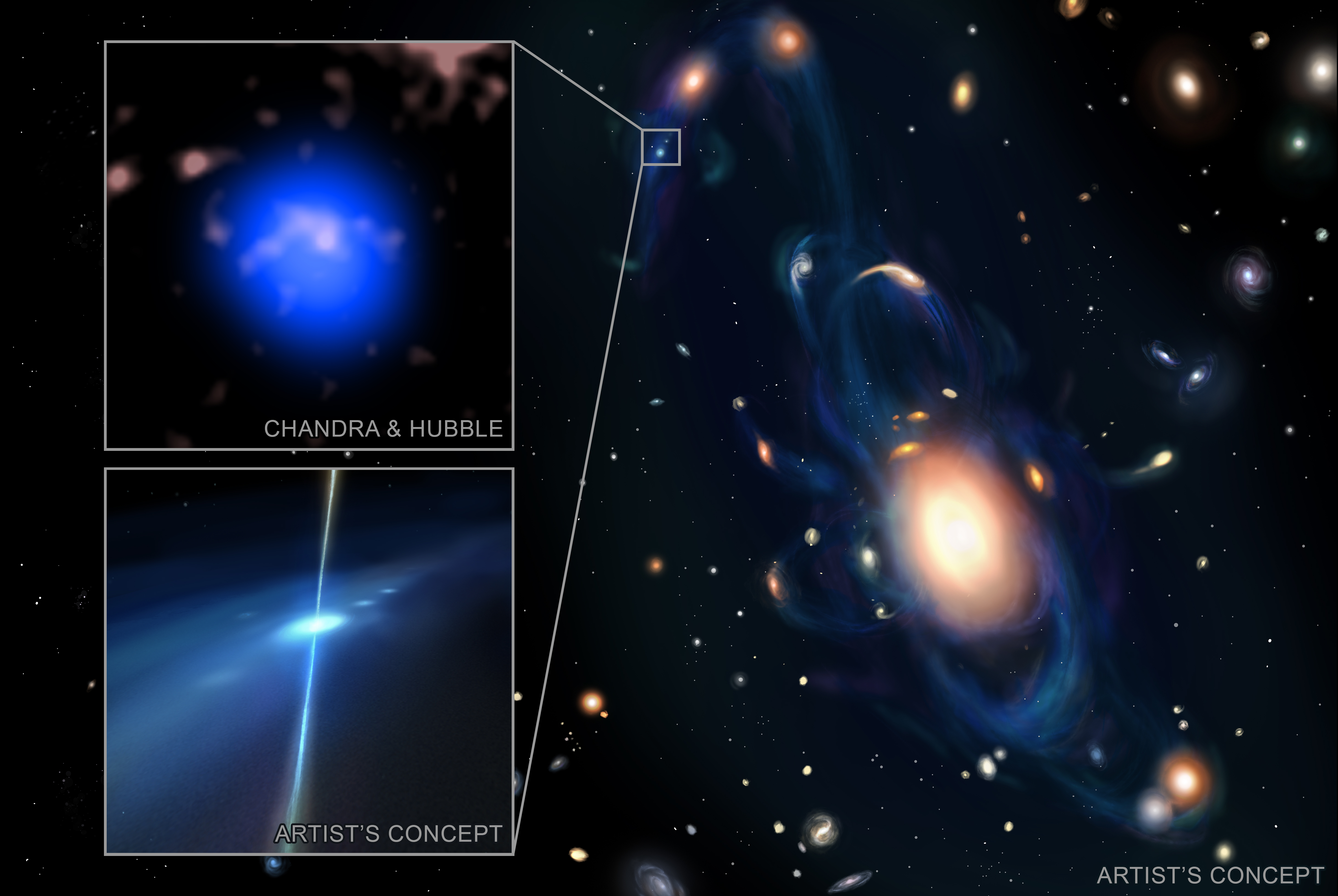
            "title": "NASA Discovers Crash of Extreme Stars in Unexpected Site",
            "authors": [
                {
                    "name": "NASA",
                    "socials": null
                }
            ],
            "url": "https://www.nasa.gov/missions/chandra/nasa-discovers-crash-of-extreme-stars-in-unexpected-site/",
            "image_url": "https://www.nasa.gov/wp-content/uploads/2026/03/nsmerger.jpg",
            "news_site": "NASA",
            "summary": "A fleet of NASA missions has likely uncovered a collision between two ultradense stars in a tiny galaxy buried in a huge stream of gas. Astronomers have never seen this type of explosive event in an environment like this before — and it may help solve two outstanding cosmic mysteries. A paper describing these results […]",
            "published_at": "2026-03-10T15:40:14Z",
            "updated_at": "2026-03-10T16:20:45.390127Z",
            "featured": false,
            "launches": [
                {
                    "launch_id": "db02116f-17ba-429a-b6c1-8e7f13b5e787",
                    "provider": "Launch Library 2"
                },
                {
                    "launch_id": "0a5d89b0-aa14-4140-b72d-fbcc8340b222",
                    "provider": "Launch Library 2"
                },
                {
                    "launch_id": "6f67b2bf-6d5b-4911-9bf9-2c76e5aada22",
                    "provider": "Launch Library 2"
                },
                {
                    "launch_id": "9d2a03ff-1fb2-4519-bcdb-ba9f84e61d3d",
                    "provider": "Launch Library 2"
                }
            ],
            "events": []
        },
        {
            "id": 36769,
            "title": "Developing Robust Electronics That Can Withstand Harsh Conditions on Cold Planetary Bodies",
            "authors": [
                {
                    "name": "NASA",
                    "socials": null
                }
            ],
            "url": "https://science.nasa.gov/science-research/science-enabling-technology/technology-highlights/developing-robust-electronics-that-can-withstand-harsh-conditions-on-cold-planetary-bodies/",
            "image_url": "https://assets.science.nasa.gov/dynamicimage/assets/science/cds/science-enabling-technology/technology-highlights/2026/CresslerFig1_2.jpg",
            "news_site": "NASA",
            "summary": "A NASA-sponsored team has developed electronics that can operate reliably in the harsh radiation and temperature conditions found on distant planetary bodies like Europa, an ocean world orbiting Jupiter. Not only could this new technology enable autonomous sensors and robotic exploration of distant ocean worlds, it could also support NASA’s goal to establish human outposts on the Moon and Mars by enabling electronic systems to function in those cold regions with reduced heating requirements.",
            "published_at": "2026-03-10T14:11:15Z",
            "updated_at": "2026-03-10T18:10:13.112202Z",
            "featured": false,
            "launches": [],
            "events": []
        }
    ]
}