HTTP 200 OK
Allow: GET, HEAD, OPTIONS
Content-Type: application/json
Vary: Accept

{
    "count": 36863,
    "next": "https://api.spaceflightnewsapi.net/v4/articles/?format=api&limit=10&offset=2850&ordering=-published_at",
    "previous": "https://api.spaceflightnewsapi.net/v4/articles/?format=api&limit=10&offset=2830&ordering=-published_at",
    "results": [
        {
            "id": 37803,
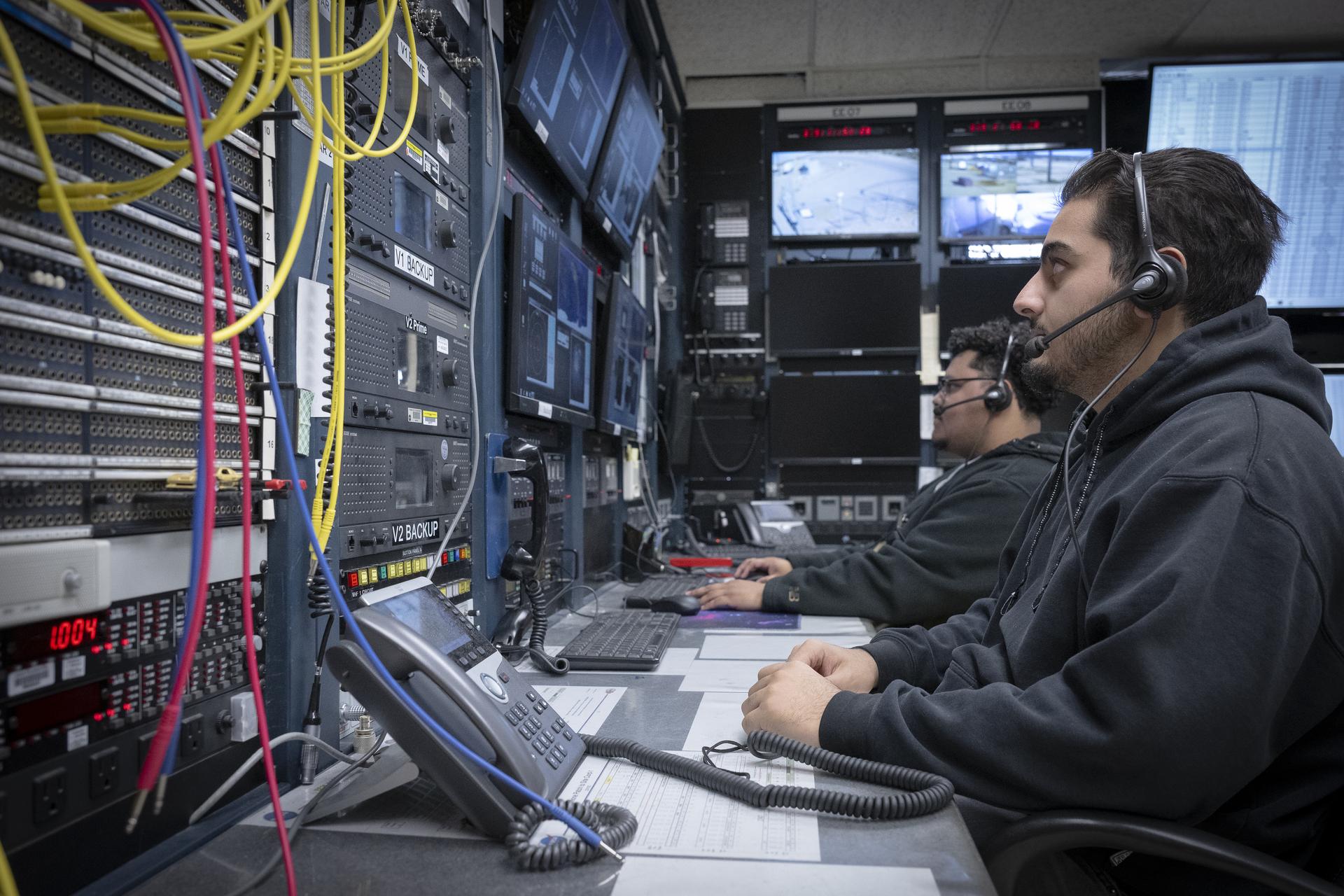
            "title": "NASA’s Dryden Aeronautical Test Range Supports Flight, Space Missions",
            "authors": [
                {
                    "name": "NASA",
                    "socials": null
                }
            ],
            "url": "https://www.nasa.gov/centers-and-facilities/armstrong/nasas-dryden-aeronautical-test-range-supports-flight-space-missions/",
            "image_url": "https://images-assets.nasa.gov/image/AFRC2025-0164-37/AFRC2025-0164-37~large.jpg",
            "news_site": "NASA",
            "summary": "NASA advances aeronautics and space technologies through experimental aircraft and flight research at the agency’s Armstrong Flight Research Center in Edwards, California. Behind those efforts is the Dryden Aeronautical Test Range (DATR), which provides the communications, tracking, and data services that enable safe and effective missions. For most NASA Armstrong research flights, the DATR supplies […]",
            "published_at": "2026-05-06T20:42:35Z",
            "updated_at": "2026-05-06T20:50:10.807177Z",
            "featured": false,
            "launches": [],
            "events": []
        },
        {
            "id": 37801,
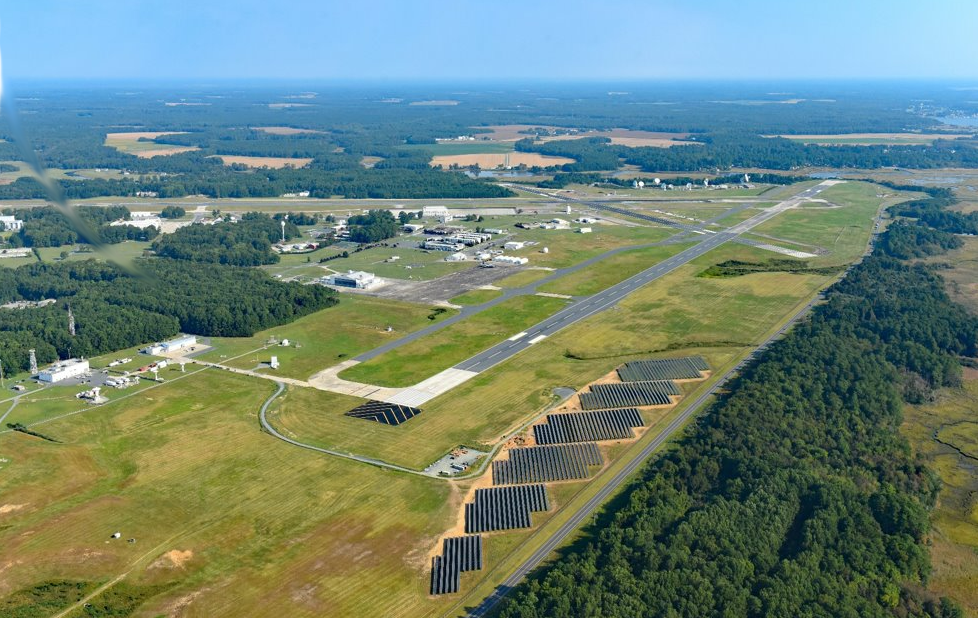
            "title": "NASA Wallops to Host Public Information Session May 13",
            "authors": [
                {
                    "name": "NASA",
                    "socials": null
                }
            ],
            "url": "https://www.nasa.gov/centers-and-facilities/wallops/nasa-wallops-to-host-public-information-session-may-13/",
            "image_url": "https://www.nasa.gov/wp-content/uploads/2024/02/wallops-solar-aerial-view.png",
            "news_site": "NASA",
            "summary": "To facilitate discussion and information sharing on activities at NASA’s Wallops Flight Facility in Virginia, a public information session is being held 4–6 p.m., Wednesday, May 13, at the NASA Wallops Visitor Center.  During the event, NASA will have information booths on the status on the causeway bridge construction, updates on beach replenishment, and a representative from the GLOBE program. Federal and state health experts will […]",
            "published_at": "2026-05-06T19:09:23Z",
            "updated_at": "2026-05-06T19:10:10.794195Z",
            "featured": false,
            "launches": [],
            "events": []
        },
        {
            "id": 37800,
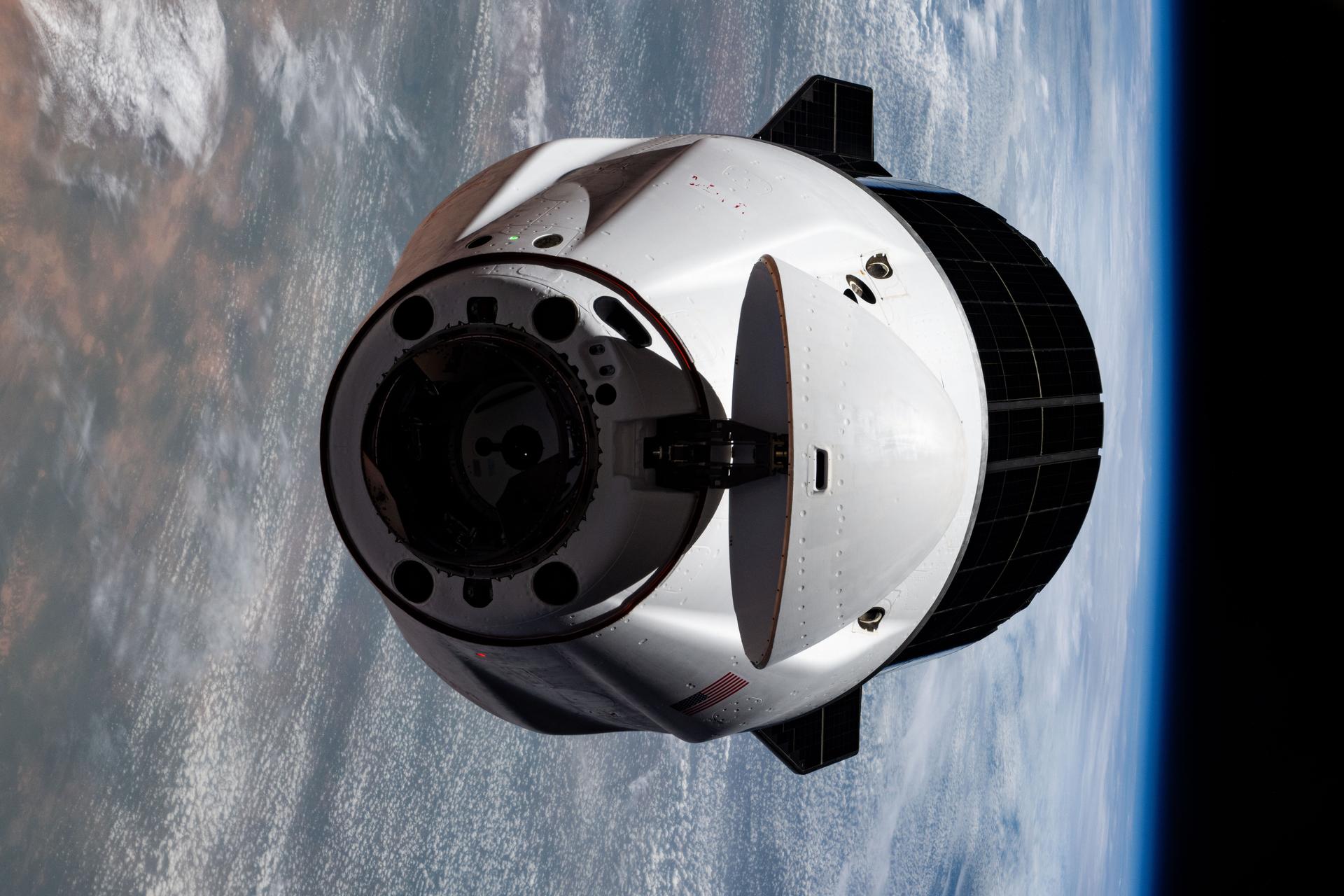
            "title": "NASA Sets Coverage for SpaceX 34th Station Resupply Launch, Arrival",
            "authors": [
                {
                    "name": "NASA",
                    "socials": null
                }
            ],
            "url": "https://www.nasa.gov/news-release/nasa-sets-coverage-for-spacex-34th-station-resupply-launch-arrival/",
            "image_url": "https://www.nasa.gov/wp-content/uploads/2026/05/spacex-34-resupply-mission-advisory-may-6.jpg",
            "news_site": "NASA",
            "summary": "NASA and SpaceX are targeting 7:16 p.m. EDT Tuesday, May 12, for the next launch to deliver science, supplies, and equipment to the International Space Station. This will be the 34th SpaceX commercial resupply services mission to the orbital outpost for NASA. Carrying about 6,500 pounds of cargo, a SpaceX Dragon spacecraft will lift off […]",
            "published_at": "2026-05-06T17:14:08Z",
            "updated_at": "2026-05-11T08:24:07.717176Z",
            "featured": false,
            "launches": [
                {
                    "launch_id": "e60aa241-1f2c-4459-ba94-2f576c3e5632",
                    "provider": "Launch Library 2"
                }
            ],
            "events": [
                {
                    "event_id": 1449,
                    "provider": "Launch Library 2"
                }
            ]
        },
        {
            "id": 37799,
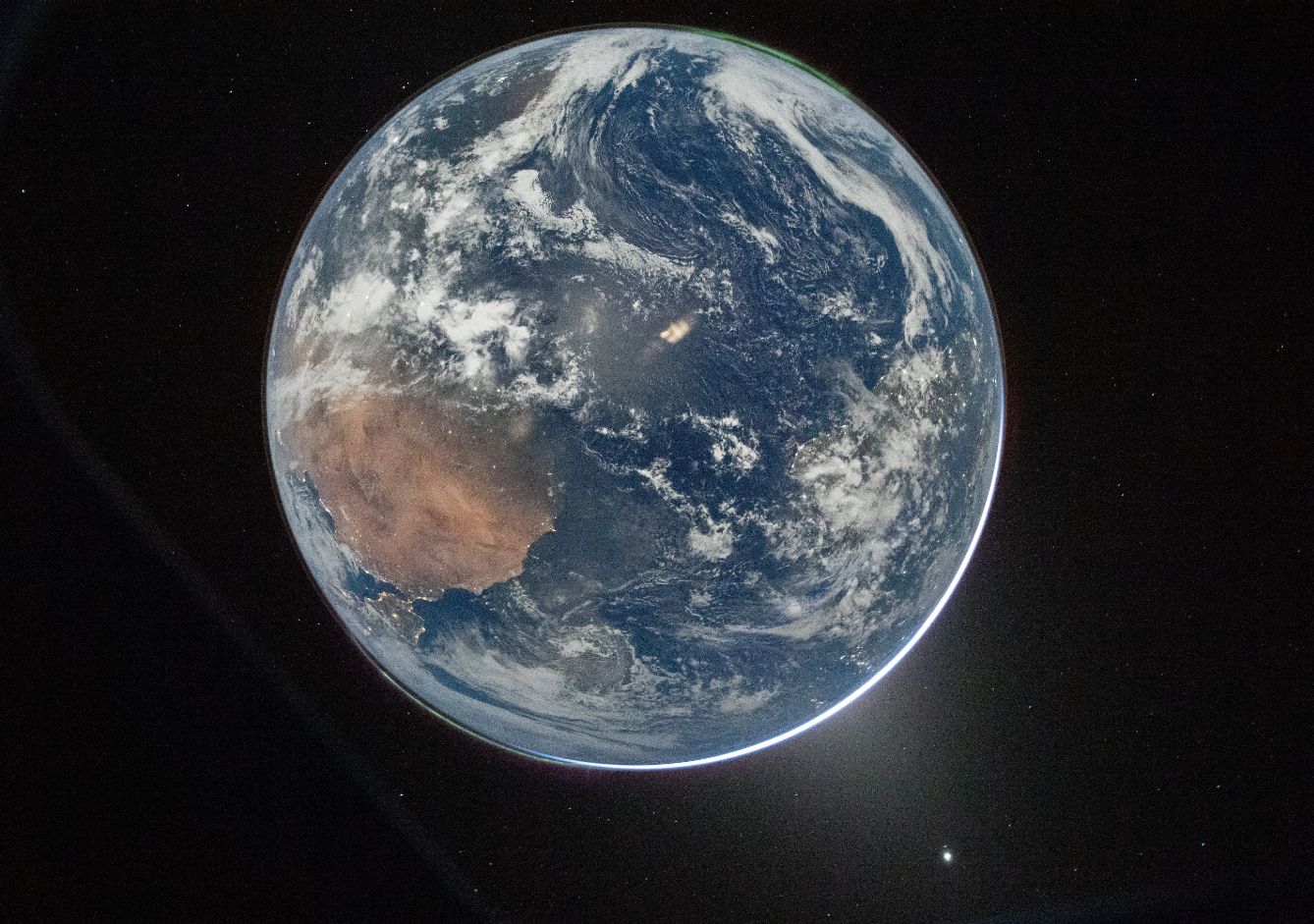
            "title": "The animated version of Artemis' \"Hello, world\" is even better than the original",
            "authors": [
                {
                    "name": "Eric Berger",
                    "socials": null
                }
            ],
            "url": "https://arstechnica.com/space/2026/05/the-animated-version-of-artemis-hello-world-is-even-better-than-the-original/",
            "image_url": "https://cdn.arstechnica.net/wp-content/uploads/2026/04/earth1.jpg",
            "news_site": "Arstechnica",
            "summary": "What's going on with those satellites, anyway?",
            "published_at": "2026-05-06T16:42:30Z",
            "updated_at": "2026-05-09T06:18:26.716738Z",
            "featured": false,
            "launches": [
                {
                    "launch_id": "41699701-2ef4-4b0c-ac9d-6757820cde87",
                    "provider": "Launch Library 2"
                }
            ],
            "events": []
        },
        {
            "id": 37798,
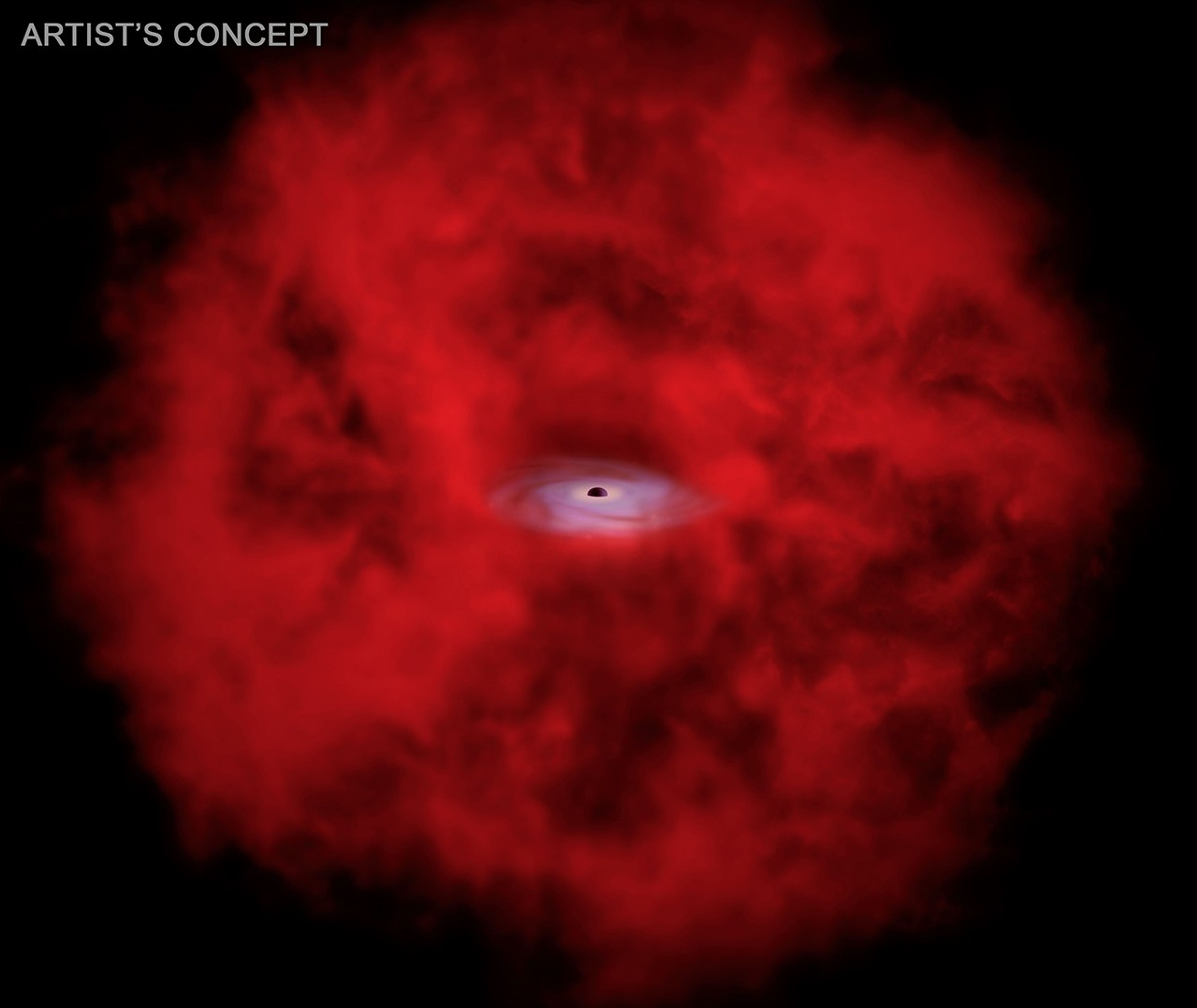
            "title": "Unlocking the Mystery of X-ray Dots",
            "authors": [
                {
                    "name": "NASA",
                    "socials": null
                }
            ],
            "url": "https://www.nasa.gov/image-article/unlocking-the-mystery-of-x-ray-dots/",
            "image_url": "https://www.nasa.gov/wp-content/uploads/2026/04/xraydot-illus-1.jpg",
            "news_site": "NASA",
            "summary": "A new “X-ray dot” found by NASA’s Chandra X-ray Observatory – which could look like this artist’s illustration released on April 28, 2026 – could explain what the hundreds or potentially thousands of these objects are. Shortly after NASA’s James Webb Space Telescope started its science observations, reports of a new class of mysterious objects […]",
            "published_at": "2026-05-06T15:07:18Z",
            "updated_at": "2026-05-09T06:17:51.752465Z",
            "featured": false,
            "launches": [
                {
                    "launch_id": "0a5d89b0-aa14-4140-b72d-fbcc8340b222",
                    "provider": "Launch Library 2"
                }
            ],
            "events": []
        },
        {
            "id": 37839,
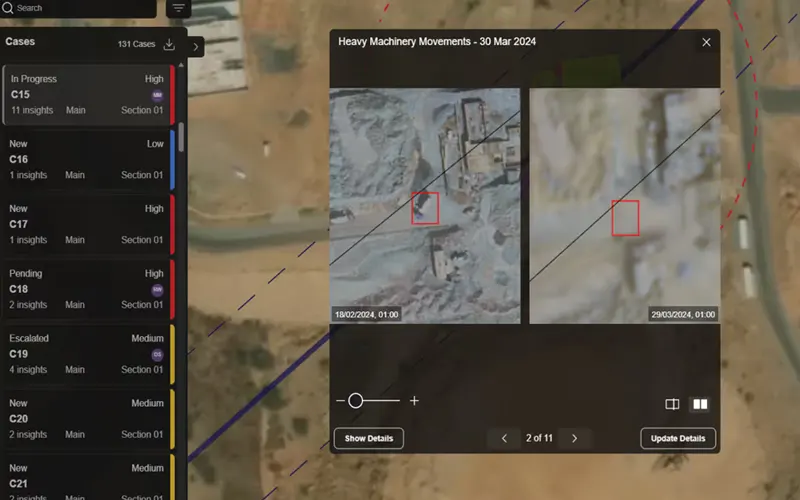
            "title": "LiveEO Secures €28 Million to Accelerate Push into Defence Applications",
            "authors": [
                {
                    "name": "European Spaceflight",
                    "socials": null
                }
            ],
            "url": "https://europeanspaceflight.com/liveeo-secures-e28-million-to-accelerate-push-into-defence-applications/",
            "image_url": "https://europeanspaceflight.com/wp-content/uploads/2026/05/LiveEO-Secures-E28-Million-to-Accelerate-Push-into-Defence-Applications.webp",
            "news_site": "European Spaceflight",
            "summary": "German Earth observation data provider LiveEO has closed a €28 million funding round. The company plans to use the funding to accelerate its expansion into dual-use defence and security services, as it positions itself to compete for a share of Germany’s planned €35 billion in spending on space-related defence projects. Founded in 2018, the Berlin-based […]\nThe post LiveEO Secures €28 Million to Accelerate Push into Defence Applications appeared first on European Spaceflight.",
            "published_at": "2026-05-06T14:33:29Z",
            "updated_at": "2026-05-09T02:50:19.695656Z",
            "featured": false,
            "launches": [],
            "events": []
        },
        {
            "id": 37796,
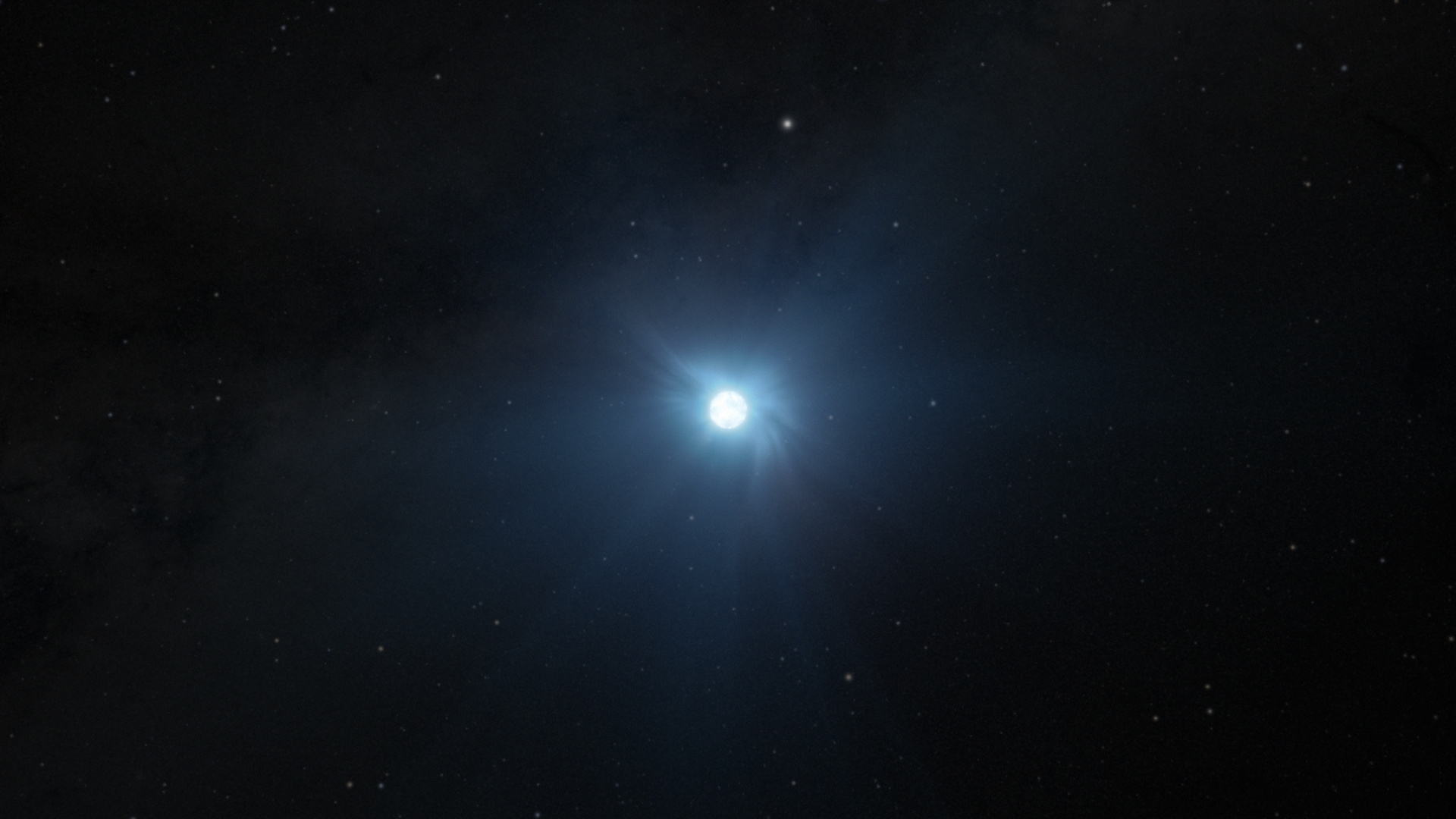
            "title": "NASA’s Roman Poised to Transform Hunt for Elusive Neutron Stars",
            "authors": [
                {
                    "name": "NASA",
                    "socials": null
                }
            ],
            "url": "https://www.nasa.gov/missions/roman-space-telescope/nasas-roman-poised-to-transform-hunt-for-elusive-neutron-stars/",
            "image_url": "https://www.nasa.gov/wp-content/uploads/2026/05/stsci-ns.jpg",
            "news_site": "NASA",
            "summary": "Astronomers have long known that neutron stars, the crushed cores left behind after massive stars explode, should be scattered throughout the Milky Way galaxy. However, most of them are effectively invisible. A new study published in Astronomy and Astrophysics suggests NASA’s upcoming Nancy Grace Roman Space Telescope could spot them anyway. Using detailed simulations of […]",
            "published_at": "2026-05-06T14:00:00Z",
            "updated_at": "2026-05-09T06:13:43.831612Z",
            "featured": false,
            "launches": [
                {
                    "launch_id": "521f3a1c-f977-4306-9b7f-495858719adf",
                    "provider": "Launch Library 2"
                }
            ],
            "events": []
        },
        {
            "id": 37797,
            "title": "New NASA Technology Mimics Extreme Cold of the Lunar Night",
            "authors": [
                {
                    "name": "NASA",
                    "socials": null
                }
            ],
            "url": "https://www.nasa.gov/general/nasa-technology-mimics-extreme-lunar-night/",
            "image_url": "https://www.nasa.gov/wp-content/uploads/2025/08/grc-2025-c-05348-1.jpg",
            "news_site": "NASA",
            "summary": "As NASA looks to explore the Moon, Mars, and beyond, researchers must develop materials capable of withstanding the extreme temperatures found in space and on other planets and their moons. In frigid conditions, rubber can shatter like glass, circuit boards may fail, and electrical connections can freeze and fracture.  Gaining a deeper understanding of how […]",
            "published_at": "2026-05-06T14:00:00Z",
            "updated_at": "2026-05-06T14:00:20.337051Z",
            "featured": false,
            "launches": [],
            "events": []
        },
        {
            "id": 37795,
            "title": "Putting the ‘super’ into a supersite for Earth observation",
            "authors": [
                {
                    "name": "ESA",
                    "socials": null
                }
            ],
            "url": "https://www.esa.int/Applications/Observing_the_Earth/FutureEO/Putting_the_super_into_a_supersite_for_Earth_observation",
            "image_url": "https://www.esa.int/var/esa/storage/images/esa_multimedia/images/2026/05/airship_over_sodankylae/27264892-1-eng-GB/Airship_over_Sodankylae_card_full.jpg",
            "news_site": "ESA",
            "summary": "In the far northern reaches of Finnish Lapland, an ambitious new chapter in Earth observation is unfolding. The European Space Agency, together with the Finnish Meteorological Institute and Finnish industrial partners, is advancing plans to develop a state-of-the-art ‘supersite’ in Sodankylä.",
            "published_at": "2026-05-06T12:58:00Z",
            "updated_at": "2026-05-06T13:40:17.797604Z",
            "featured": false,
            "launches": [],
            "events": []
        },
        {
            "id": 37794,
            "title": "Webb & Hubble find massive star clusters emerge faster",
            "authors": [
                {
                    "name": "ESA",
                    "socials": null
                }
            ],
            "url": "https://www.esa.int/Science_Exploration/Space_Science/Webb/Webb_Hubble_find_massive_star_clusters_emerge_faster",
            "image_url": "https://www.esa.int/var/esa/storage/images/esa_multimedia/images/2026/05/star-forming_regions_in_m51/27255538-1-eng-GB/Star-forming_regions_in_M51_card_full.jpg",
            "news_site": "ESA",
            "summary": "Astronomers using the NASA/ESA/CSA James Webb Space Telescope together with the NASA/ESA Hubble Space Telescope have looked deeply at thousands of young star clusters in four nearby galaxies, studying clusters at different stages of evolution. Their findings show that more massive star clusters emerge more quickly from the clouds they are born in, clearing away gas and filling the galaxy with ultraviolet light. The result gives us a more detailed understanding of star formation in galaxies, as well as how and where planets can form.",
            "published_at": "2026-05-06T10:00:00Z",
            "updated_at": "2026-05-06T11:02:45.078484Z",
            "featured": false,
            "launches": [
                {
                    "launch_id": "9d2a03ff-1fb2-4519-bcdb-ba9f84e61d3d",
                    "provider": "Launch Library 2"
                },
                {
                    "launch_id": "d0fa4bb2-80ea-4808-af08-7785dde53bf6",
                    "provider": "Launch Library 2"
                }
            ],
            "events": []
        }
    ]
}