HTTP 200 OK
Allow: GET, HEAD, OPTIONS
Content-Type: application/json
Vary: Accept

{
    "count": 36863,
    "next": "https://api.spaceflightnewsapi.net/v4/articles/?format=api&limit=10&offset=2700&ordering=-published_at",
    "previous": "https://api.spaceflightnewsapi.net/v4/articles/?format=api&limit=10&offset=2680&ordering=-published_at",
    "results": [
        {
            "id": 37957,
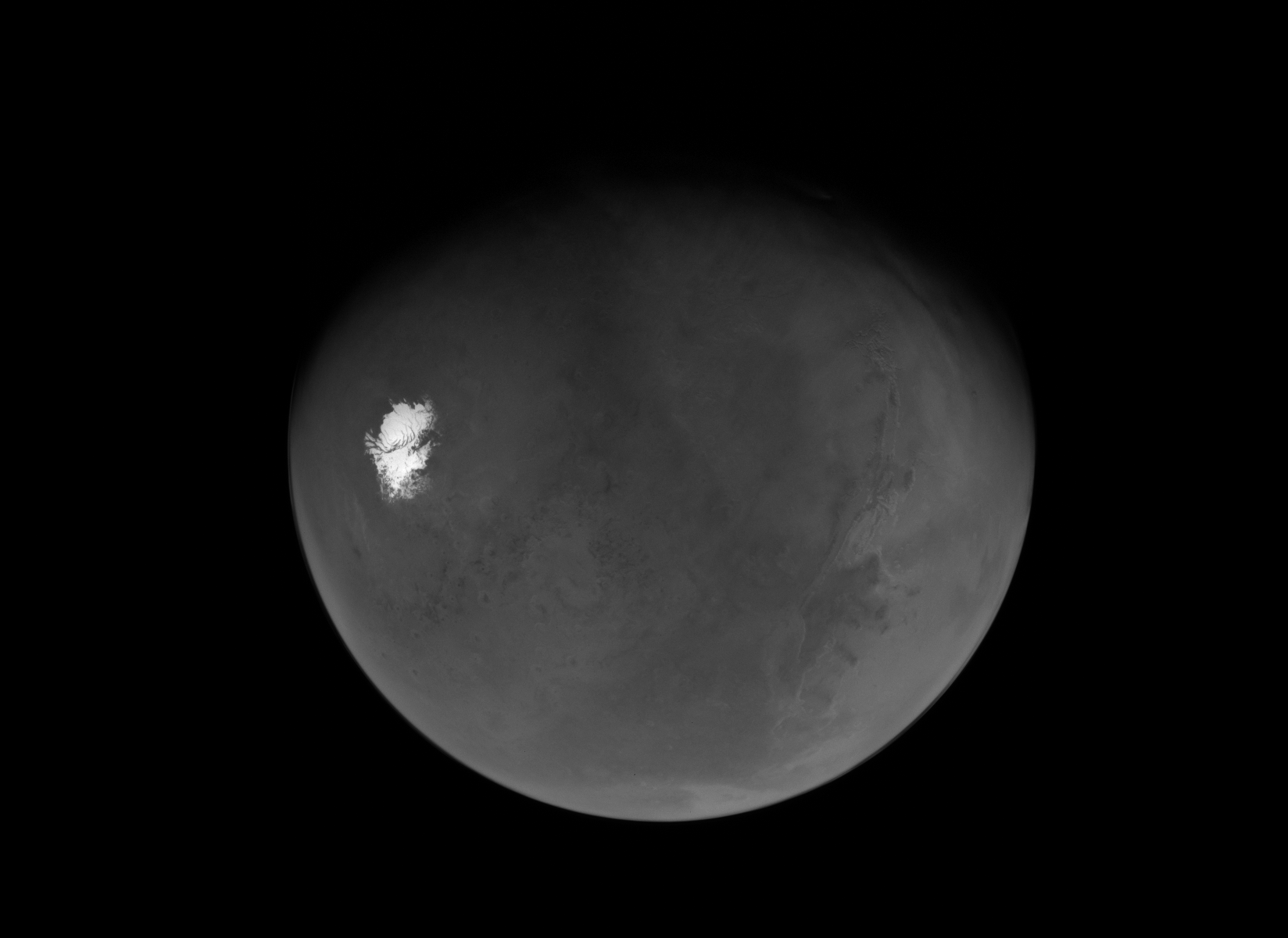
            "title": "NASA’s Psyche Mission Sees Mars’ South Pole After Flyby",
            "authors": [
                {
                    "name": "NASA",
                    "socials": null
                }
            ],
            "url": "https://science.nasa.gov/photojournal/nasas-psyche-mission-sees-mars-south-pole-after-flyby/",
            "image_url": "https://assets.science.nasa.gov/dynamicimage/assets/science/psd/photojournal/pia/pia26/pia26772/PIA26772.png",
            "news_site": "NASA",
            "summary": "Description This is Psyche’s first view of a nearly “full Mars” seen shortly after the spacecraft’s closest approach to the planet on May 15, 2026. The view extends from the south polar cap northwards to the Valles Marineris canyon system and beyond. With Mars in the rearview mirror, the spacecraft will soon resume use of […]",
            "published_at": "2026-05-19T20:34:02Z",
            "updated_at": "2026-05-20T06:33:18.948605Z",
            "featured": false,
            "launches": [
                {
                    "launch_id": "66133437-db31-4098-8e3e-cf34c8125f9b",
                    "provider": "Launch Library 2"
                }
            ],
            "events": []
        },
        {
            "id": 37958,
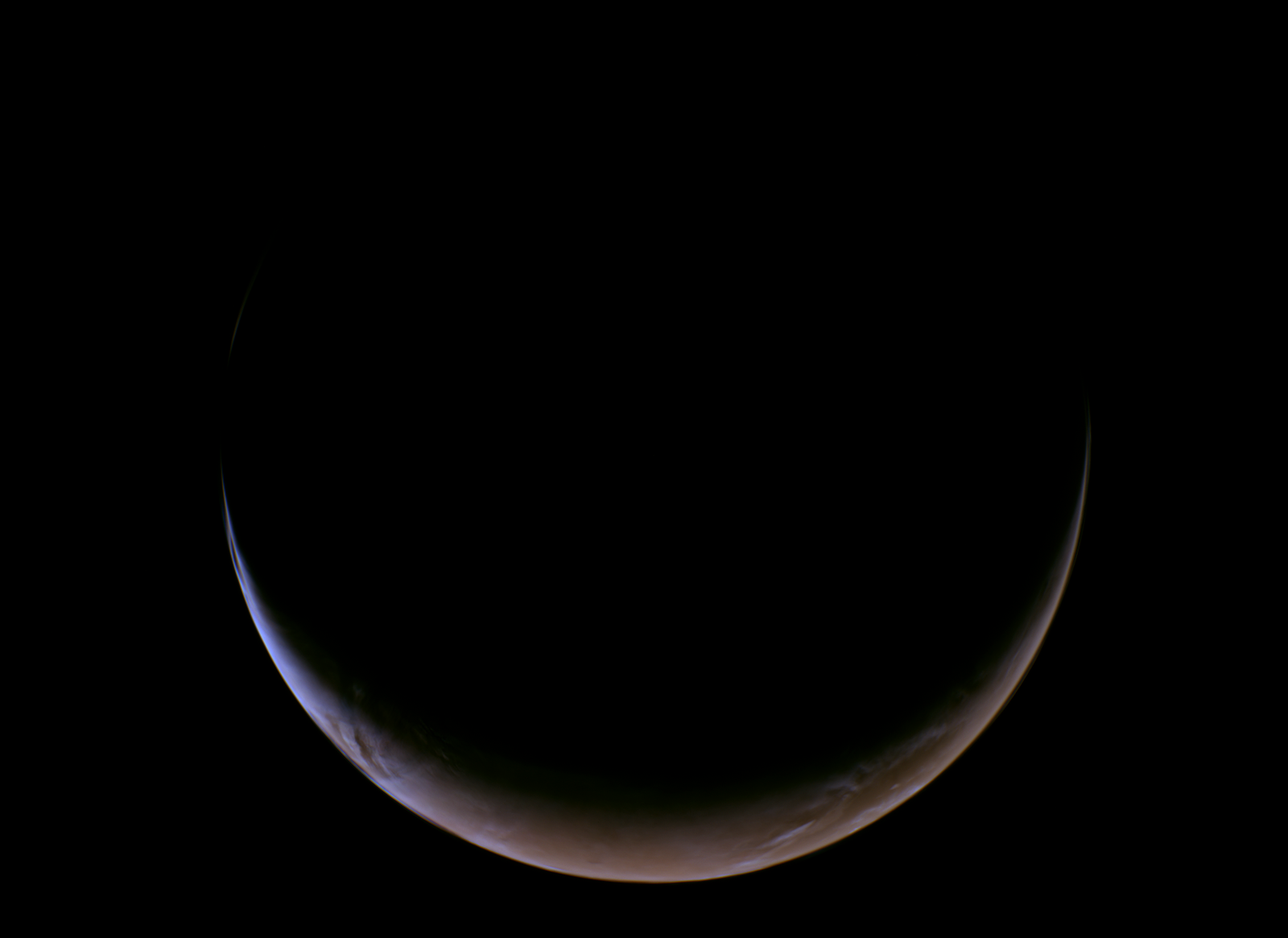
            "title": "NASA’s Psyche Mission Images the Crescent of Mars",
            "authors": [
                {
                    "name": "NASA",
                    "socials": null
                }
            ],
            "url": "https://science.nasa.gov/photojournal/nasas-psyche-mission-images-the-crescent-of-mars/",
            "image_url": "https://assets.science.nasa.gov/dynamicimage/assets/science/psd/photojournal/pia/pia26/pia26771/PIA26771.png",
            "news_site": "NASA",
            "summary": "Description This view of a crescent Mars was captured on May 15, 2026, at about 5:03 a.m. PDT by NASA’s Psyche mission as it approached the planet for a gravity assist. Captured by the spacecraft’s multispectral imager instrument, this was the last view of the whole planet before it began to overfill the field of […]",
            "published_at": "2026-05-19T20:28:51Z",
            "updated_at": "2026-05-20T06:33:23.575896Z",
            "featured": false,
            "launches": [
                {
                    "launch_id": "66133437-db31-4098-8e3e-cf34c8125f9b",
                    "provider": "Launch Library 2"
                }
            ],
            "events": []
        },
        {
            "id": 37952,
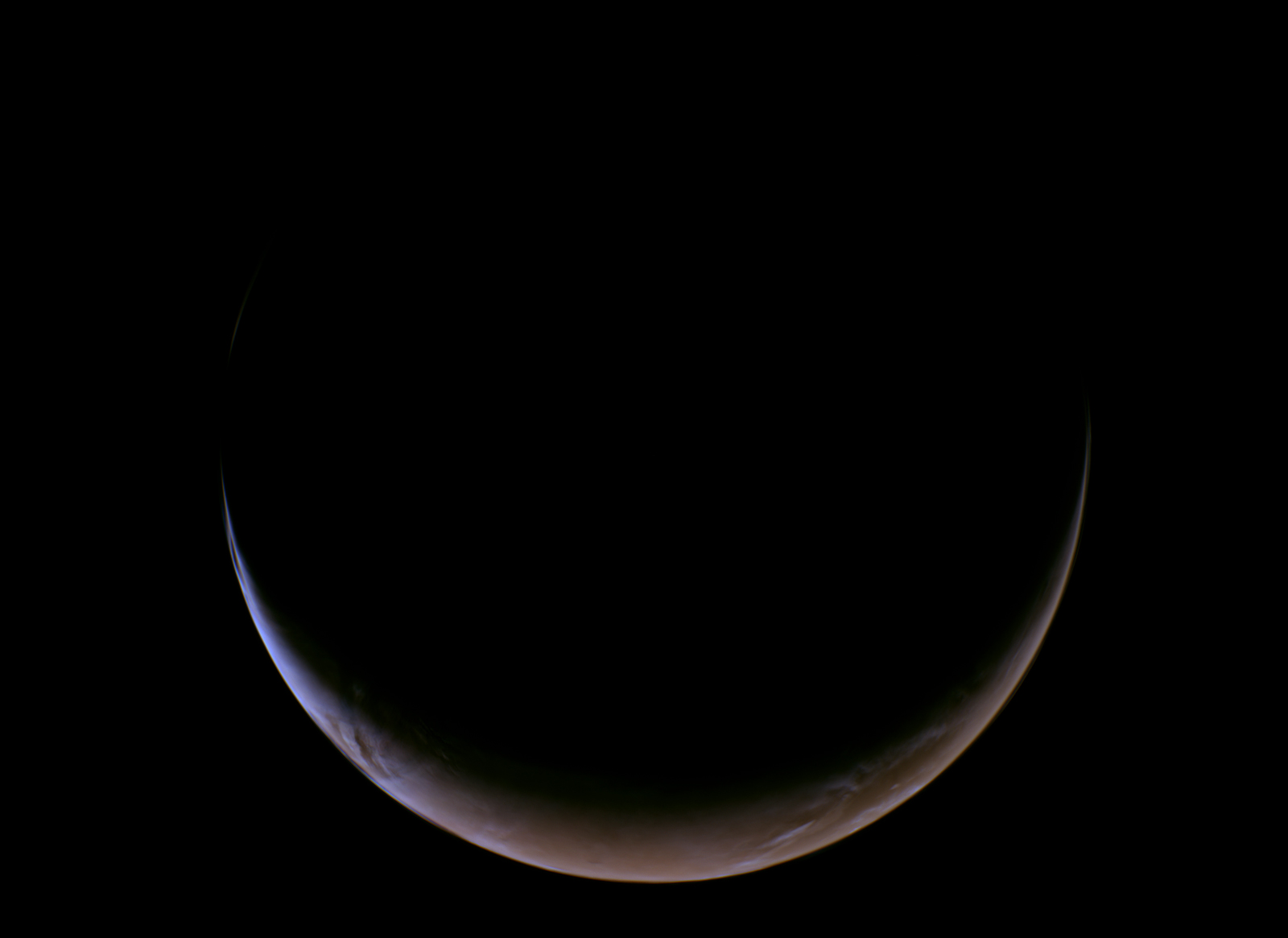
            "title": "NASA’s Psyche Mission Aces Mars Flyby, Targets Metal-Rich Asteroid",
            "authors": [
                {
                    "name": "NASA",
                    "socials": null
                }
            ],
            "url": "https://www.nasa.gov/missions/psyche-mission/nasas-psyche-mission-aces-mars-flyby-targets-metal-rich-asteroid/",
            "image_url": "https://www.nasa.gov/wp-content/uploads/2026/05/1-pia26771-mars-crescent-pydenxfs.jpg",
            "news_site": "NASA",
            "summary": "NASA’s Psyche spacecraft completed its close approach of Mars on May 15, coming within 2,864 miles (4,609 kilometers) of the planet’s surface. This flyby used a gravity assist from Mars to provide a critical boost in speed and to adjust the spacecraft’s orbital plane without using any onboard propellant, sending it on its way toward […]",
            "published_at": "2026-05-19T19:49:33Z",
            "updated_at": "2026-05-20T06:33:28.059529Z",
            "featured": false,
            "launches": [
                {
                    "launch_id": "66133437-db31-4098-8e3e-cf34c8125f9b",
                    "provider": "Launch Library 2"
                }
            ],
            "events": []
        },
        {
            "id": 37951,
            "title": "Moon-Venus Conjunction",
            "authors": [
                {
                    "name": "NASA",
                    "socials": null
                }
            ],
            "url": "https://www.nasa.gov/image-article/moon-venus-conjunction/",
            "image_url": "https://www.nasa.gov/wp-content/uploads/2026/05/nhq202605180004orig.jpg",
            "news_site": "NASA",
            "summary": "The Moon and Venus, center, are seen in conjunction above the Washington Monument, Monday, May 18, 2026, as viewed from the Mary W. Jackson NASA Headquarters Building in Washington. The Moon and Venus look close together because they line up from our point of view on Earth. In reality, they are separated by millions of […]",
            "published_at": "2026-05-19T17:07:23Z",
            "updated_at": "2026-05-19T17:10:09.313628Z",
            "featured": false,
            "launches": [],
            "events": []
        },
        {
            "id": 37927,
            "title": "Startup challenging satellite industry’s multi-orbit playbook",
            "authors": [
                {
                    "name": "Sandra Erwin",
                    "socials": null
                }
            ],
            "url": "https://spacenews.com/startup-challenging-satellite-industrys-multi-orbit-playbook/",
            "image_url": "https://i0.wp.com/spacenews.com/wp-content/uploads/2026/05/CON_Constellation_Kit.jpg.jpeg?fit=1024%2C608&ssl=1",
            "news_site": "SpaceNews",
            "summary": "\nContrivian argues that stitching together GEO, MEO and LEO satellites creates networking problems, and that LEO constellations alone can provide both resilience and speed\nThe post Startup challenging satellite industry’s multi-orbit playbook appeared first on SpaceNews.",
            "published_at": "2026-05-19T15:00:00Z",
            "updated_at": "2026-05-19T15:40:23.440841Z",
            "featured": false,
            "launches": [],
            "events": []
        },
        {
            "id": 37926,
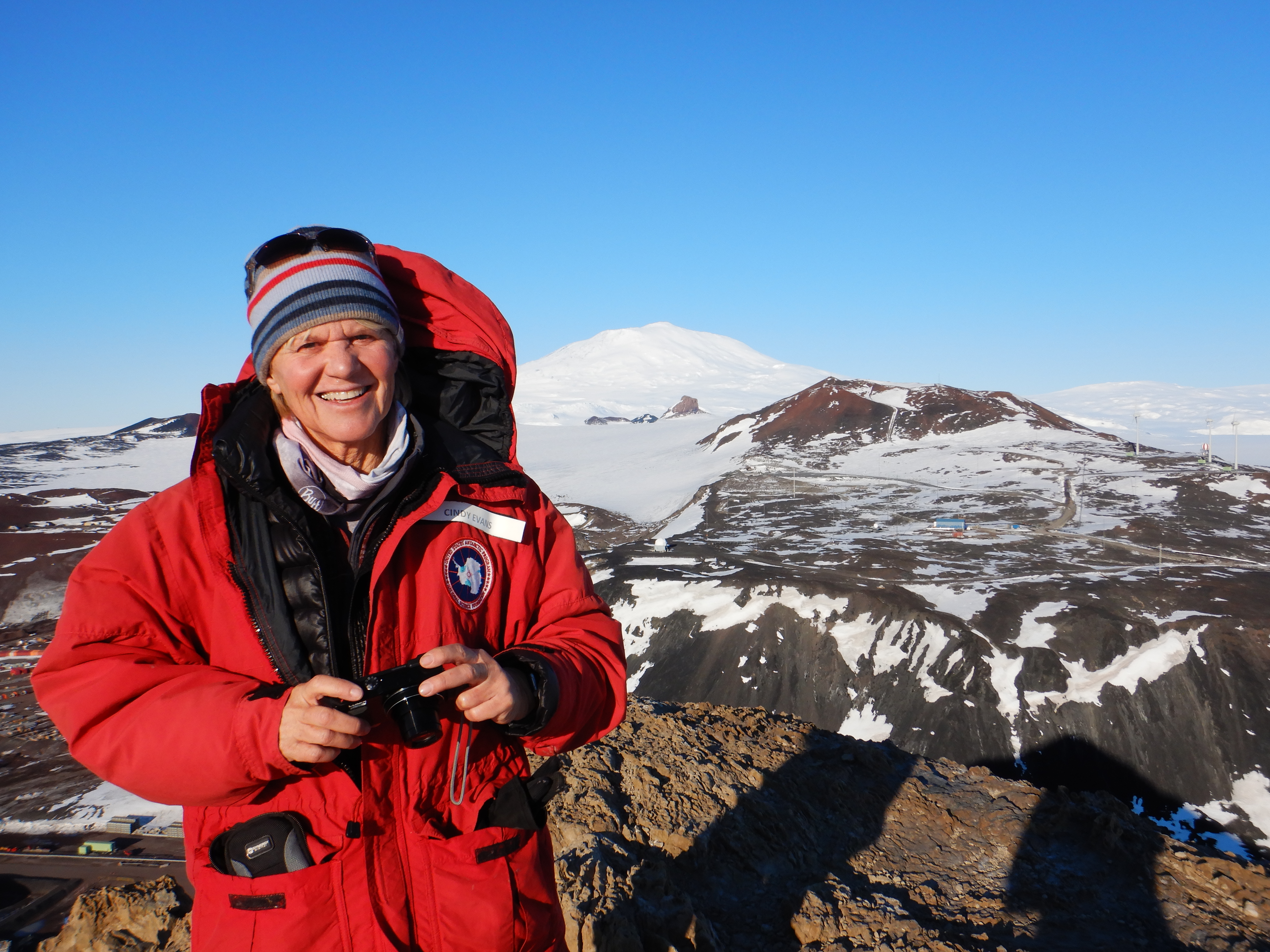
            "title": "Johnson’s Cindy Evans Prepares Artemis Teams for Lunar Science",
            "authors": [
                {
                    "name": "NASA",
                    "socials": null
                }
            ],
            "url": "https://www.nasa.gov/centers-and-facilities/johnson/johnsons-cindy-evans-prepares-artemis-teams-for-lunar-science/",
            "image_url": "https://www.nasa.gov/wp-content/uploads/2026/05/dscn0407-evans.jpg",
            "news_site": "NASA",
            "summary": "NASA’s Artemis II crew had many technical and operational responsibilities during their historic mission to the Moon, but they also served an important role as scientific ambassadors to Earth’s nearest neighbor. On their 10-day journey, the crew flew by the far side of the Moon, analyzing and photographing geologic features such as impact craters and […]",
            "published_at": "2026-05-19T15:00:00Z",
            "updated_at": "2026-05-20T06:33:58.743040Z",
            "featured": false,
            "launches": [],
            "events": []
        },
        {
            "id": 38018,
            "title": "“Autonomous Human Spaceflight is Not a Luxury,” Says ESA Chief",
            "authors": [
                {
                    "name": "European Spaceflight",
                    "socials": null
                }
            ],
            "url": "https://europeanspaceflight.com/autonomous-human-spaceflight-is-not-a-luxury-says-esa-chief/",
            "image_url": "https://europeanspaceflight.com/wp-content/uploads/2026/05/Autonomous-Human-Spaceflight-is-Not-a-Luxury-Says-ESA-Chief.webp",
            "news_site": "European Spaceflight",
            "summary": "In an 18 May opinion piece, European Space Agency (ESA) Director General Josef Aschbacher argued that Europe must develop an independent human spaceflight capability. Prior to 2022, ESA astronauts were transported to the International Space Station (ISS) aboard Russian Soyuz and US Dragon spacecraft. Following Russia’s invasion of Ukraine, ESA suspended its cooperation with Russia. […]\nThe post “Autonomous Human Spaceflight is Not a Luxury,” Says ESA Chief appeared first on European Spaceflight.",
            "published_at": "2026-05-19T14:49:31Z",
            "updated_at": "2026-05-22T10:10:21.507689Z",
            "featured": false,
            "launches": [],
            "events": []
        },
        {
            "id": 37928,
            "title": "Portal Space taps Quindar for ground mission support of its maneuvering spacecraft",
            "authors": [
                {
                    "name": "Sandra Erwin",
                    "socials": null
                }
            ],
            "url": "https://spacenews.com/portal-space-taps-quindar-for-ground-mission-support-of-its-maneuvering-spacecraft/",
            "image_url": "https://i0.wp.com/spacenews.com/wp-content/uploads/2026/04/portal-supernova-starburst.jpeg?fit=1024%2C576&ssl=1",
            "news_site": "SpaceNews",
            "summary": "\nPortal is preparing to launch maneuverable spacecraft aimed at the military market\nThe post Portal Space taps Quindar for ground mission support of its maneuvering spacecraft appeared first on SpaceNews.",
            "published_at": "2026-05-19T14:00:00Z",
            "updated_at": "2026-05-19T15:40:23.455845Z",
            "featured": false,
            "launches": [],
            "events": []
        },
        {
            "id": 37925,
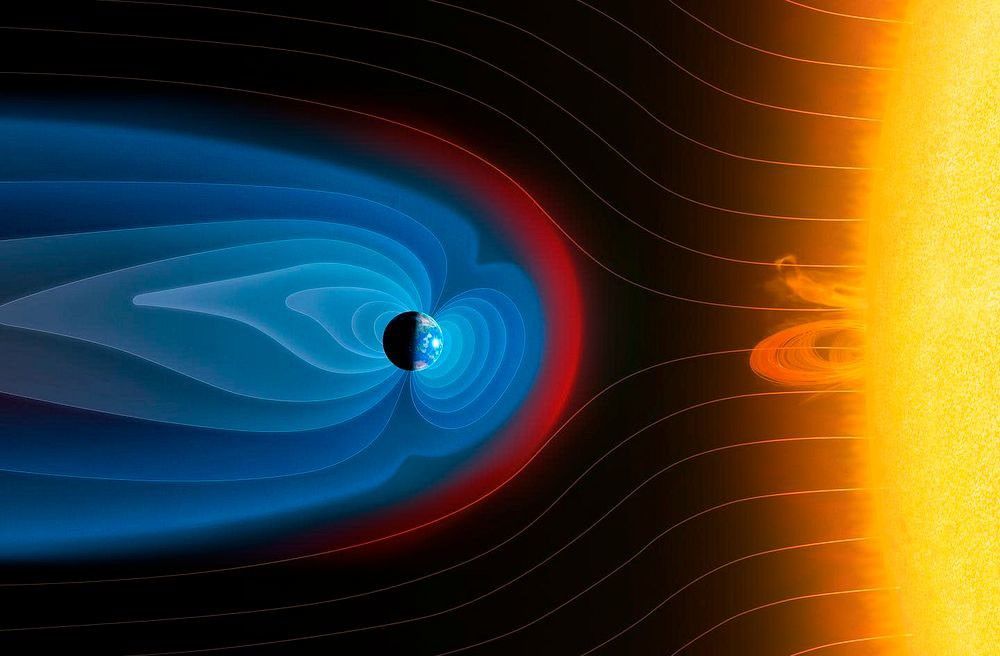
            "title": "NASA’s New Shock Detectives Project Invites Volunteers to Help Study Solar Wind",
            "authors": [
                {
                    "name": "NASA",
                    "socials": null
                }
            ],
            "url": "https://science.nasa.gov/get-involved/citizen-science/nasas-new-shock-detectives-project-invites-volunteers-to-help-study-solar-wind/",
            "image_url": "https://assets.science.nasa.gov/dynamicimage/assets/science/cds/citizen-science/highlights/2026/earth_magnetosphere_solar_wind.jpg",
            "news_site": "NASA",
            "summary": "NASA’s Magnetospheric Multiscale (MMS) mission has collected more than ten years of data from this zone – more than scientists can analyze alone. As Shock Detectives, you’ll help sort the chaotic from peaceful regions of the data, giving researchers a crucial set of clues.",
            "published_at": "2026-05-19T13:05:00Z",
            "updated_at": "2026-05-19T13:10:16.950530Z",
            "featured": false,
            "launches": [],
            "events": []
        },
        {
            "id": 37924,
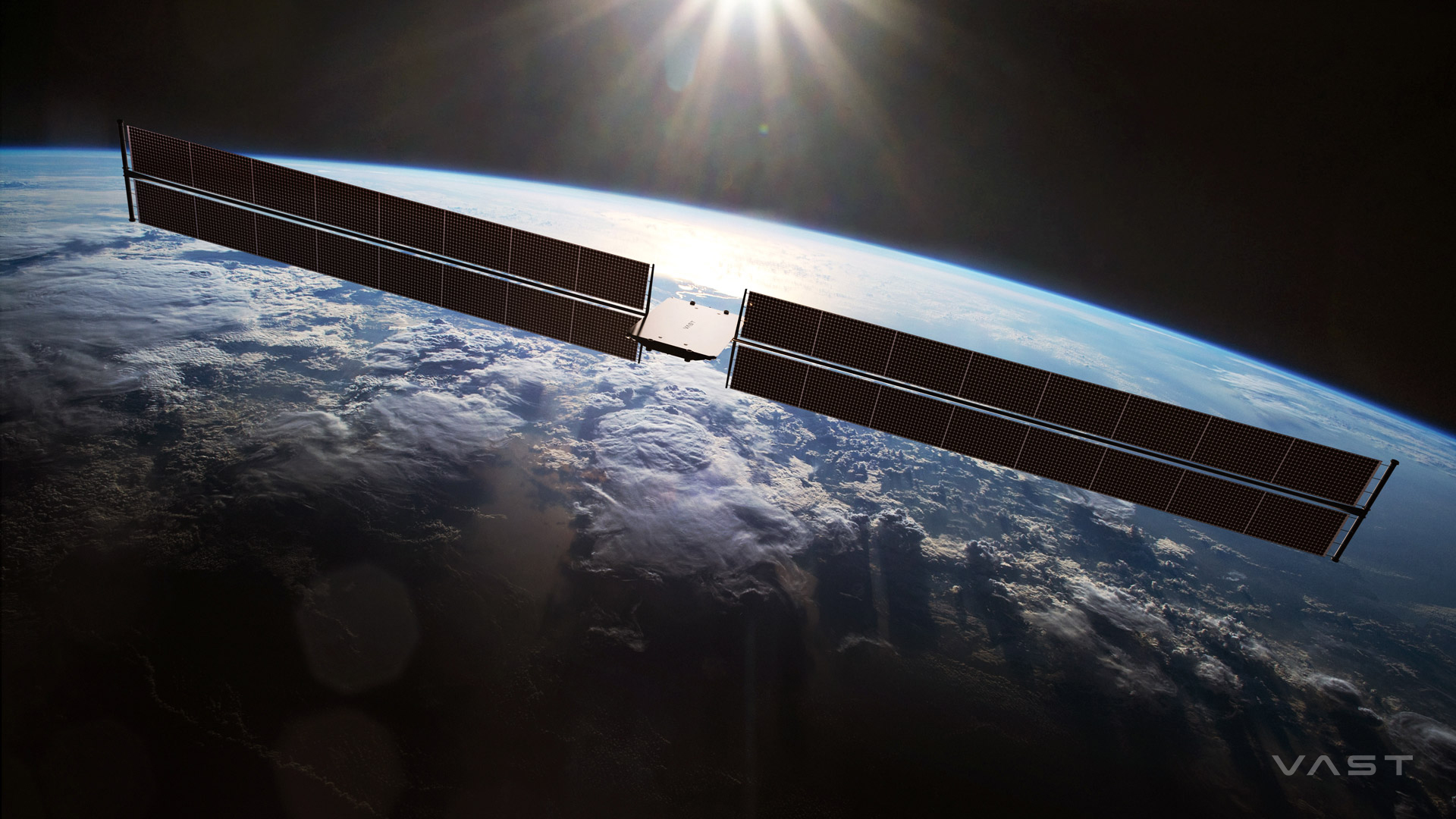
            "title": "Vast Space seeks to diversify by building satellites as well as space stations",
            "authors": [
                {
                    "name": "Eric Berger",
                    "socials": null
                }
            ],
            "url": "https://arstechnica.com/space/2026/05/vast-space-seeks-to-diversify-by-building-satellites-as-well-as-space-stations/",
            "image_url": "https://cdn.arstechnica.net/wp-content/uploads/2026/05/VAST-Satellite_watermark.jpg",
            "news_site": "Arstechnica",
            "summary": "\"Every single successful space company is diversified in its products.\"",
            "published_at": "2026-05-19T13:00:45Z",
            "updated_at": "2026-05-19T13:10:14.076117Z",
            "featured": false,
            "launches": [],
            "events": []
        }
    ]
}