HTTP 200 OK
Allow: GET, HEAD, OPTIONS
Content-Type: application/json
Vary: Accept

{
    "count": 36830,
    "next": "https://api.spaceflightnewsapi.net/v4/articles/?format=api&limit=10&offset=1970&ordering=-published_at",
    "previous": "https://api.spaceflightnewsapi.net/v4/articles/?format=api&limit=10&offset=1950&ordering=-published_at",
    "results": [
        {
            "id": 38692,
            "title": "Ship 40 completes single-engine static fire; Booster 20 and Pad 2 see new work",
            "authors": [
                {
                    "name": "Ryan Weber",
                    "socials": null
                }
            ],
            "url": "https://www.nasaspaceflight.com/2026/06/ship-40-single-engine/",
            "image_url": "https://www.nasaspaceflight.com/wp-content/uploads/2026/06/Ship-40-Single-Engine-Static-Fire-at-Masseys-scaled.jpg",
            "news_site": "NASASpaceflight",
            "summary": "SpaceX rolled out Ship 40 for engine testing, but after completing only a single engine…\r\nThe post Ship 40 completes single-engine static fire; Booster 20 and Pad 2 see new work appeared first on NASASpaceFlight.com.",
            "published_at": "2026-06-26T19:33:26Z",
            "updated_at": "2026-06-29T08:12:44.221709Z",
            "featured": false,
            "launches": [
                {
                    "launch_id": "ac897b9f-44d2-4ff4-8416-1a0a076e98a2",
                    "provider": "Launch Library 2"
                }
            ],
            "events": []
        },
        {
            "id": 38691,
            "title": "NASA Tests New Refuel Device for Future In-Space Refueling Missions",
            "authors": [
                {
                    "name": "NASA",
                    "socials": null
                }
            ],
            "url": "https://www.nasa.gov/directorates/stmd/tech-demo-missions-program/cryogenic-fluid-management-cfm/nasa-tests-new-refuel-device-for-future-in-space-refueling-missions/",
            "image_url": "https://www.nasa.gov/wp-content/uploads/2025/03/recuperator.png",
            "news_site": "NASA",
            "summary": "For NASA’s next generation of deep space exploration missions, spacecraft may need to refuel in Earth orbit before pushing farther into the solar system. Similar to how a gas pump needs a nozzle to fit your fuel tank, future spacecraft could require a special device in order to fill up prior to departure, known as […]",
            "published_at": "2026-06-26T18:44:07Z",
            "updated_at": "2026-06-26T18:50:09.401203Z",
            "featured": false,
            "launches": [],
            "events": []
        },
        {
            "id": 38690,
            "title": "Partners, NASA Ready for June Launch of Swift Boost Mission",
            "authors": [
                {
                    "name": "NASA",
                    "socials": null
                }
            ],
            "url": "https://science.nasa.gov/missions/swift/swift-boost-mission/partners-nasa-ready-for-june-launch-of-swift-boost-mission/",
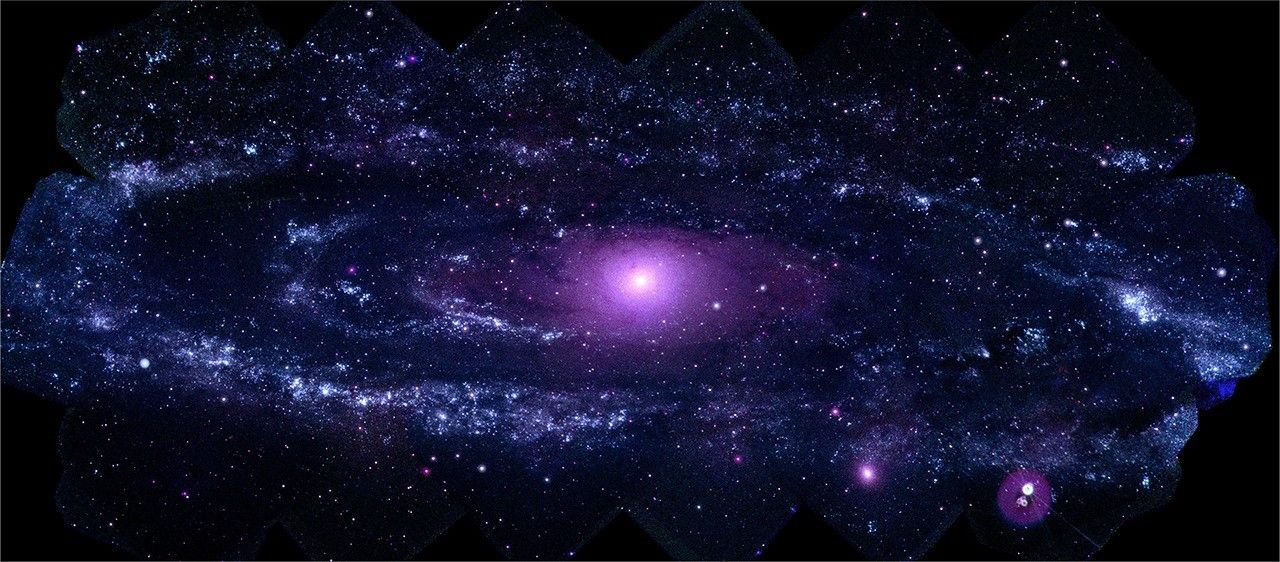
            "image_url": "https://assets.science.nasa.gov/dynamicimage/assets/science/astro/universe/2023/09/M31_Layered_UV_and_Optical.jpg",
            "news_site": "NASA",
            "summary": "A mission to raise the orbit of NASA’s Swift observatory is poised for launch June 30.",
            "published_at": "2026-06-26T17:16:22Z",
            "updated_at": "2026-06-29T08:13:13.022550Z",
            "featured": false,
            "launches": [
                {
                    "launch_id": "db02116f-17ba-429a-b6c1-8e7f13b5e787",
                    "provider": "Launch Library 2"
                },
                {
                    "launch_id": "f596ad48-881e-47d6-806d-113c6dd97427",
                    "provider": "Launch Library 2"
                }
            ],
            "events": [
                {
                    "event_id": 1491,
                    "provider": "Launch Library 2"
                }
            ]
        },
        {
            "id": 38689,
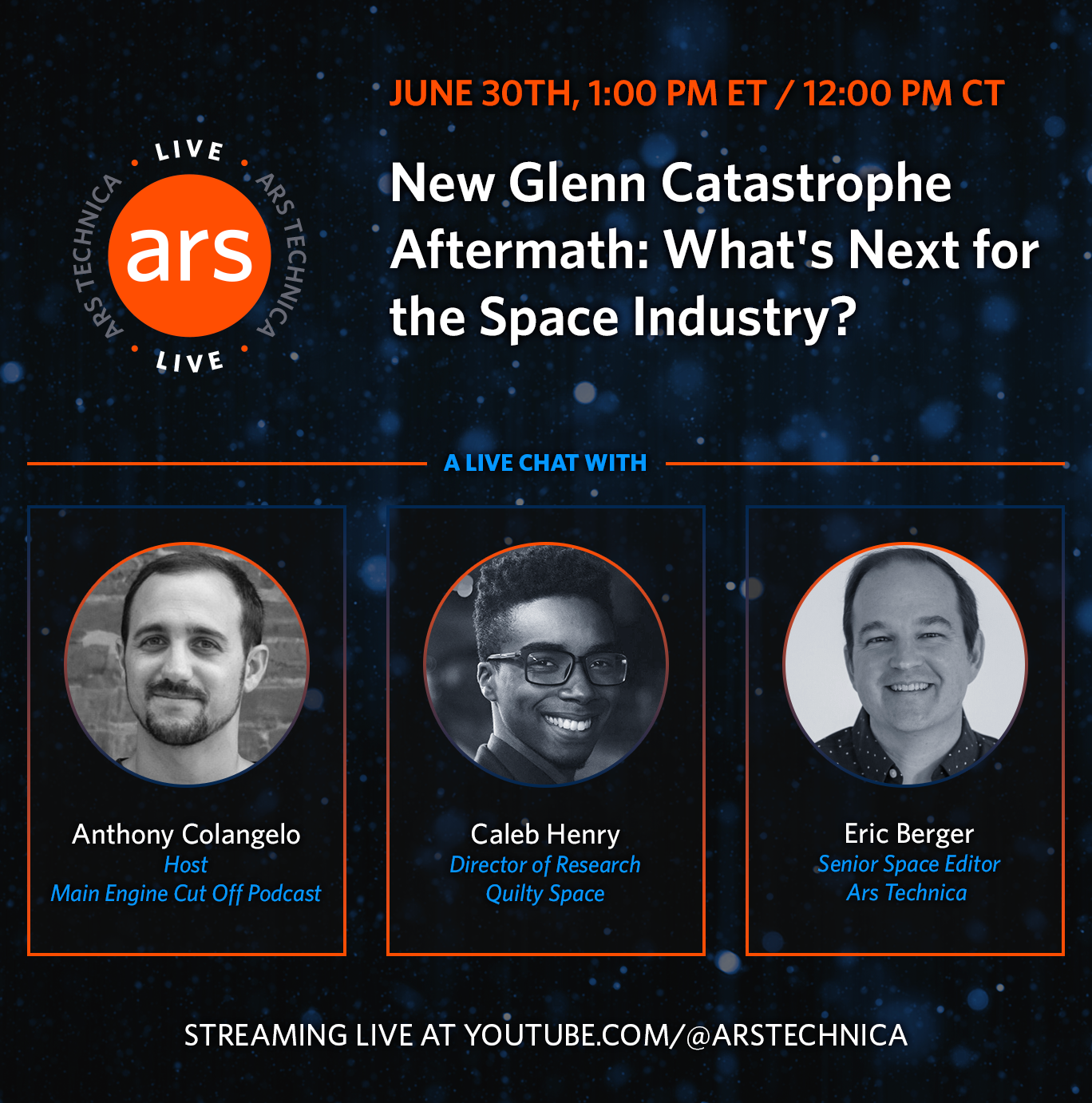
            "title": "Ars Live: What's the latest in the aftermath of the New Glenn catastrophe?",
            "authors": [
                {
                    "name": "Eric Berger",
                    "socials": null
                }
            ],
            "url": "https://arstechnica.com/space/2026/06/ars-live-whats-the-latest-in-the-aftermath-of-the-new-glenn-catastrophe/",
            "image_url": "https://cdn.arstechnica.net/wp-content/uploads/2026/06/Berger-Ars-Live-2026-1.png",
            "news_site": "Arstechnica",
            "summary": "Join us on the livestream at 1 pm ET and ask questions about the aftermath of New Glenn",
            "published_at": "2026-06-26T16:24:59Z",
            "updated_at": "2026-06-29T08:15:51.018252Z",
            "featured": false,
            "launches": [
                {
                    "launch_id": "ca3d56b7-2175-48e4-9a6a-2ecc9996d96b",
                    "provider": "Launch Library 2"
                }
            ],
            "events": []
        },
        {
            "id": 38687,
            "title": "NASA Identifies More Than 40 Space Technologies for Collaboration",
            "authors": [
                {
                    "name": "NASA",
                    "socials": null
                }
            ],
            "url": "https://www.nasa.gov/news-release/nasa-identifies-more-than-40-space-technologies-for-collaboration/",
            "image_url": "https://www.nasa.gov/wp-content/uploads/2022/02/nasa_meatball_large.jpg",
            "news_site": "NASA",
            "summary": "NASA selected 41 proposals from 37 companies to advance technologies in support of the agency’s goals to establish a long-term presence on the Moon and enable human exploration of Mars. These American companies, picked from NASA’s 2025 Announcement of Collaboration Opportunity (ACO), will mature technologies creating solutions for space transportation, planetary surface operations, and lunar […]",
            "published_at": "2026-06-26T15:37:58Z",
            "updated_at": "2026-06-26T15:40:05.186471Z",
            "featured": false,
            "launches": [],
            "events": []
        },
        {
            "id": 38686,
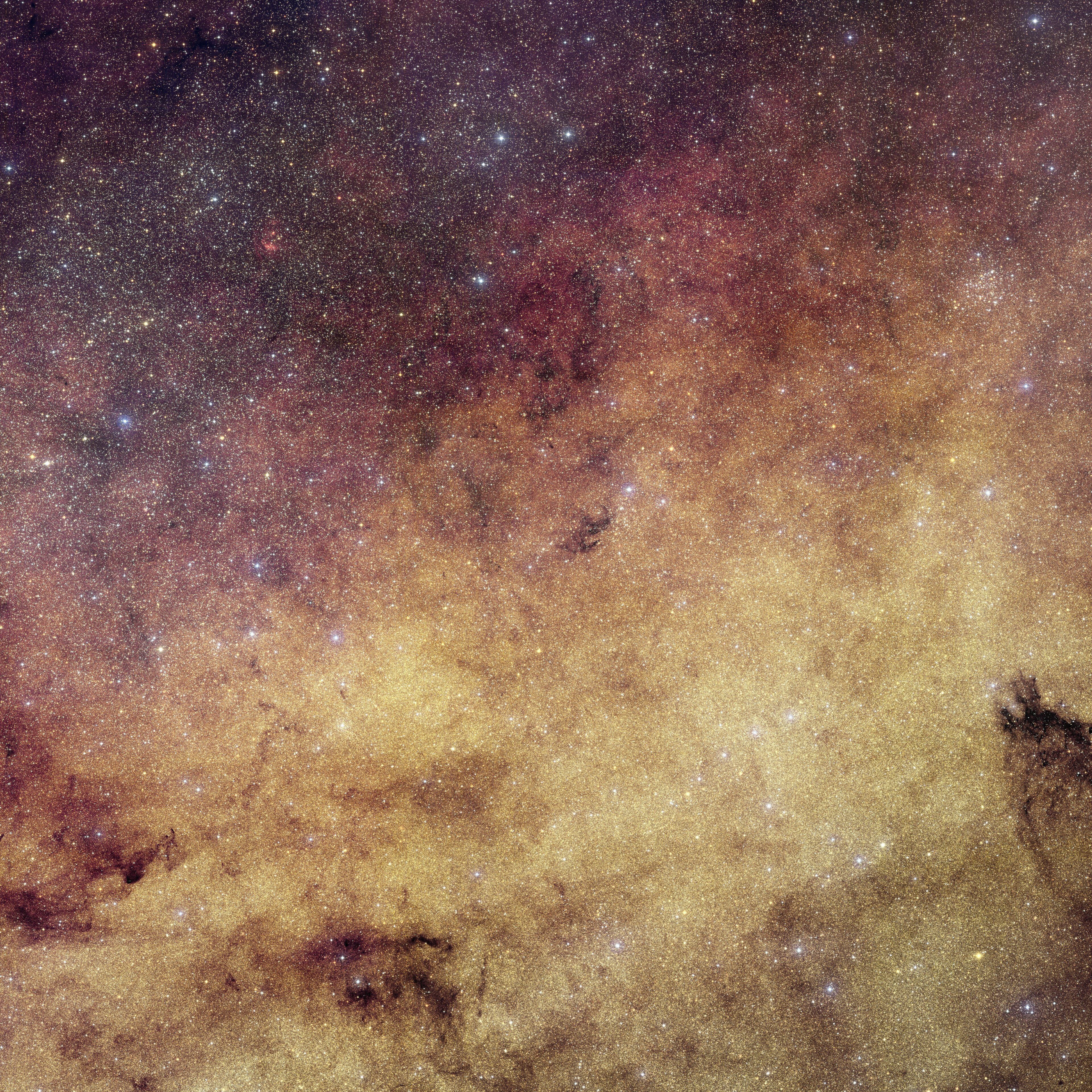
            "title": "Euclid Sees Heart of Milky Way",
            "authors": [
                {
                    "name": "NASA",
                    "socials": null
                }
            ],
            "url": "https://www.nasa.gov/image-article/euclid-sees-heart-of-milky-way/",
            "image_url": "https://www.nasa.gov/wp-content/uploads/2026/06/euclid-s-view-of-our-galaxy-s-bulge.jpg",
            "news_site": "NASA",
            "summary": "Euclid, an ESA (European Space Agency) mission with NASA contributions, took a new look at the heart of our Milky Way galaxy, seen in this image released on June 24, 2026. This observation overlaps with a region scientists will observe with NASA’s Nancy Grace Roman Space Telescope, launching later this summer. This sneak peek gives […]",
            "published_at": "2026-06-26T15:21:18Z",
            "updated_at": "2026-06-29T08:11:37.549891Z",
            "featured": false,
            "launches": [
                {
                    "launch_id": "49d20d1b-18dd-4da6-a061-eacd0156fcc4",
                    "provider": "Launch Library 2"
                }
            ],
            "events": []
        },
        {
            "id": 38688,
            "title": "From Lab to Orbit | Turning Space Science into Reality | ESA Explores #21",
            "authors": [
                {
                    "name": "ESA",
                    "socials": null
                }
            ],
            "url": "https://www.esa.int/ESA_Multimedia/Videos/2026/06/From_Lab_to_Orbit_Turning_Space_Science_into_Reality_ESA_Explores_21",
            "image_url": "https://www.esa.int/var/esa/storage/images/esa_multimedia/videos/2026/06/from_lab_to_orbit_turning_space_science_into_reality_esa_explores_21/27348804-1-eng-GB/From_Lab_to_Orbit_Turning_Space_Science_into_Reality_ESA_Explores_21_card_full.png",
            "news_site": "ESA",
            "summary": "Go behind the scenes at ESA’s European Astronaut Centre in Cologne, Germany, and discover how space experiments are prepared long before they reach orbit. Meet the ECOS team, as Deputy Manager Salvi Verma shares how they work with scientists, engineers and astronauts to turn ideas into real missions aboard the International Space Station. From early planning on the ground to supporting astronauts like ESA astronaut Sophie Adenot during her Epsilon mission, this is how space science becomes reality.",
            "published_at": "2026-06-26T15:00:00Z",
            "updated_at": "2026-06-26T16:10:08.327586Z",
            "featured": false,
            "launches": [],
            "events": []
        },
        {
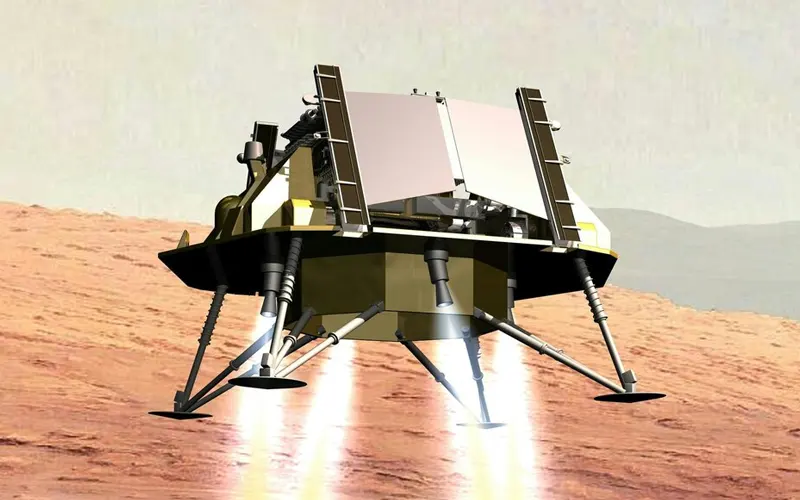
            "id": 38778,
            "title": "NASA Delivers Braking Engines for ESA Rosalind Franklin Mars Mission",
            "authors": [
                {
                    "name": "European Spaceflight",
                    "socials": null
                }
            ],
            "url": "https://europeanspaceflight.com/nasa-delivers-braking-engines-for-esa-rosalind-franklin-mars-mission/",
            "image_url": "https://europeanspaceflight.com/wp-content/uploads/2026/06/NASA-Delivers-Braking-Engines-for-ESA-Rosalind-Franklin-Mars-Mission.webp",
            "news_site": "European Spaceflight",
            "summary": "NASA has delivered the first braking engines for the European Space Agency’s (ESA) Rosalind Franklin mission to Mars. The braking engines are one of three major contributions NASA has committed to the mission, along with launch services and Radioisotope Heater Units (RHUs) to keep the rover’s instruments warm during cold Martian nights. The US space […]\r\nThe post NASA Delivers Braking Engines for ESA Rosalind Franklin Mars Mission appeared first on European Spaceflight.",
            "published_at": "2026-06-26T14:51:53Z",
            "updated_at": "2026-07-02T13:28:28.331331Z",
            "featured": false,
            "launches": [
                {
                    "launch_id": "26881916-98e7-40bc-954c-88ad6ac7a050",
                    "provider": "Launch Library 2"
                }
            ],
            "events": []
        },
        {
            "id": 38685,
            "title": "Bringing Signals to NASA",
            "authors": [
                {
                    "name": "NASA",
                    "socials": null
                }
            ],
            "url": "https://www.nasa.gov/centers-and-facilities/kennedy/bringing-signals-to-nasa/",
            "image_url": "https://images-assets.nasa.gov/image/KSC-20260618-PH-BSS01_0001/KSC-20260618-PH-BSS01_0001~large.jpg",
            "news_site": "NASA",
            "summary": "Growing up on the central California coast, watching rocket launches with his father was part of Eric Fernandez’s childhood routine. Fernandez had posters of rockets on the wall, but despite being fascinated by them, he never imagined one day this would be his career. Because both of his grandparents had served at Vandenberg Air Force […]",
            "published_at": "2026-06-26T14:28:57Z",
            "updated_at": "2026-06-26T14:30:06.386870Z",
            "featured": false,
            "launches": [],
            "events": []
        },
        {
            "id": 38682,
            "title": "NASA’s PACE Mission Studies Smoke, Fires",
            "authors": [
                {
                    "name": "NASA",
                    "socials": null
                }
            ],
            "url": "https://science.nasa.gov/earth/nasas-pace-mission-studies-smoke-fires/",
            "image_url": "https://assets.science.nasa.gov/dynamicimage/assets/science/esd/articles/2026/4x3_Landscape_smoke_PACE_OCI_20250531T180736_181236.png",
            "news_site": "NASA",
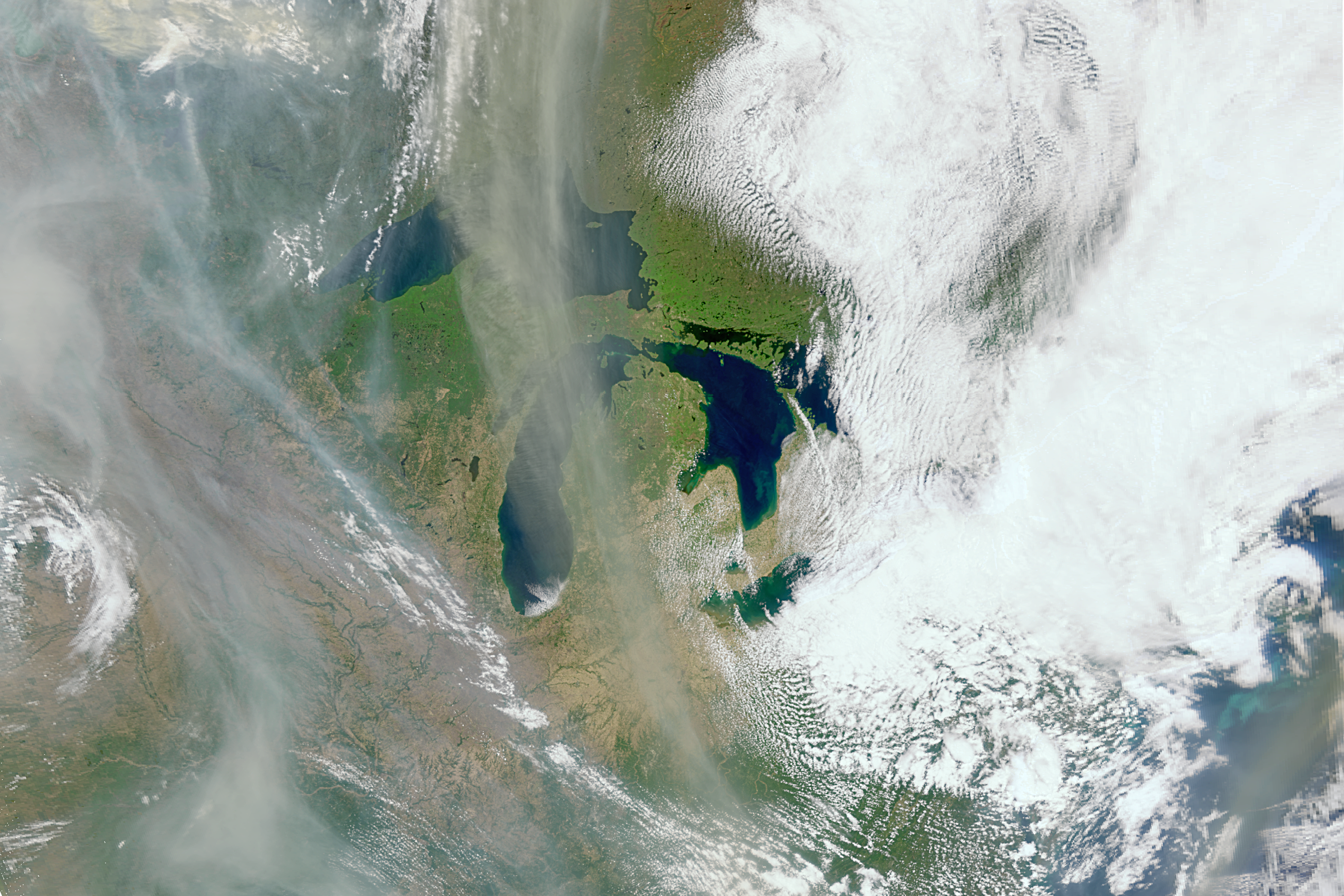
            "summary": "With the North American fire season underway, and a record number of acres already burned nationwide, NASA’s Plankton, Aerosol, Cloud, and ocean Ecosystem (PACE) satellite’s three instruments are observing vegetation precursors to fires, along with plumes of smoke and their movement. This data will help scientists piece together clues that deepen their understanding of wildfires. […]",
            "published_at": "2026-06-26T14:00:00Z",
            "updated_at": "2026-06-29T08:11:48.954229Z",
            "featured": false,
            "launches": [
                {
                    "launch_id": "549f26ed-a5f7-49fb-97a7-fb2ffa26e3e8",
                    "provider": "Launch Library 2"
                }
            ],
            "events": []
        }
    ]
}