HTTP 200 OK
Allow: GET, HEAD, OPTIONS
Content-Type: application/json
Vary: Accept

{
    "count": 36827,
    "next": "https://api.spaceflightnewsapi.net/v4/articles/?format=api&limit=10&offset=1450&ordering=-published_at",
    "previous": "https://api.spaceflightnewsapi.net/v4/articles/?format=api&limit=10&offset=1430&ordering=-published_at",
    "results": [
        {
            "id": 39230,
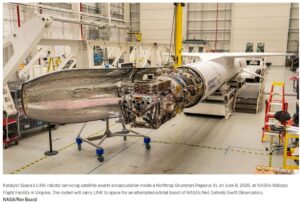
            "title": "Swift Reboost Mission Encounters Setback",
            "authors": [
                {
                    "name": "Marcia Smith",
                    "socials": null
                }
            ],
            "url": "https://spacepolicyonline.com/news/swift-reboost-mission-encounters-setback/",
            "image_url": "https://spacepolicyonline.com/wp-content/uploads/2026/07/Katalyst-LINK-Pegasus-300x203.jpg",
            "news_site": "SpacePolicyOnline.com",
            "summary": "Katalyst Space’s efforts to reboost NASA’s Swift observatory has encountered a setback. The LINK on-orbit servicing spacecraft is in a multi-axis spin. LINK must attach itself to Swift and raise […]",
            "published_at": "2026-07-29T17:32:22Z",
            "updated_at": "2026-07-30T06:33:02.709339Z",
            "featured": false,
            "launches": [
                {
                    "launch_id": "db02116f-17ba-429a-b6c1-8e7f13b5e787",
                    "provider": "Launch Library 2"
                },
                {
                    "launch_id": "f596ad48-881e-47d6-806d-113c6dd97427",
                    "provider": "Launch Library 2"
                }
            ],
            "events": []
        },
        {
            "id": 39229,
            "title": "Actually, Starliner might fly into space this year",
            "authors": [
                {
                    "name": "Eric Berger",
                    "socials": null
                }
            ],
            "url": "https://arstechnica.com/space/2026/07/actually-starliner-might-fly-into-space-this-year/",
            "image_url": "https://cdn.arstechnica.net/wp-content/uploads/2024/04/GettyImages-2148806962.jpg",
            "news_site": "Arstechnica",
            "summary": "\"We're feeling pretty good about that,\" Boeing CEO Kelly Ortberg said.",
            "published_at": "2026-07-29T17:24:41Z",
            "updated_at": "2026-07-30T06:33:20.751445Z",
            "featured": false,
            "launches": [
                {
                    "launch_id": "07e945c1-2ec6-4d29-a500-1afbe920440f",
                    "provider": "Launch Library 2"
                }
            ],
            "events": []
        },
        {
            "id": 39226,
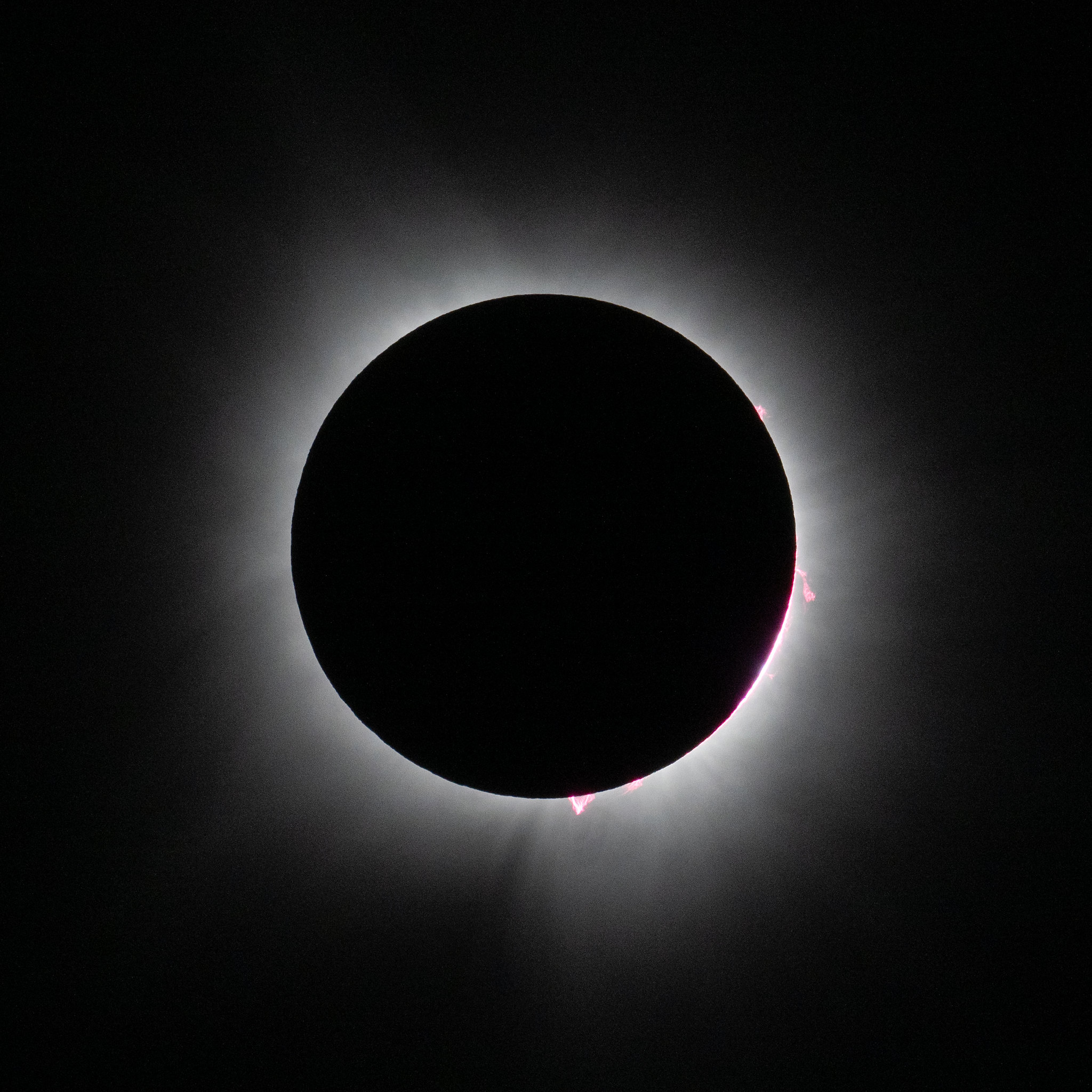
            "title": "NASA Sets Coverage for August Northern Hemisphere Total Solar Eclipse",
            "authors": [
                {
                    "name": "NASA",
                    "socials": null
                }
            ],
            "url": "https://www.nasa.gov/news-release/nasa-sets-coverage-for-august-northern-hemisphere-total-solar-eclipse/",
            "image_url": "https://www.nasa.gov/wp-content/uploads/2026/07/eclipse-coverage-advisory-july-29.jpg",
            "news_site": "NASA",
            "summary": "On Wednesday, Aug. 12, a total solar eclipse will be visible in parts of Greenland, Iceland, northern Russia, the Atlantic Ocean, Spain, and a small corner of Portugal. NASA will stream the eclipse live with views across the path and interviews with subject matter experts through a variety of platforms. Learn where to watch online: […]",
            "published_at": "2026-07-29T16:49:37Z",
            "updated_at": "2026-07-30T06:34:02.901241Z",
            "featured": false,
            "launches": [],
            "events": [
                {
                    "event_id": 1454,
                    "provider": "Launch Library 2"
                }
            ]
        },
        {
            "id": 39227,
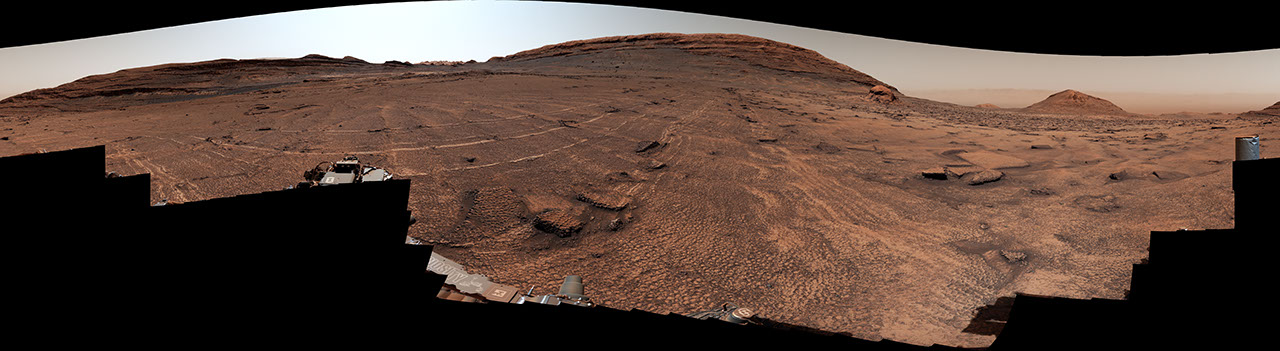
            "title": "NASA’s Curiosity Views a Sand-Capped Butte",
            "authors": [
                {
                    "name": "NASA",
                    "socials": null
                }
            ],
            "url": "https://science.nasa.gov/photojournal/nasas-curiosity-views-a-sand-capped-butte/",
            "image_url": "https://assets.science.nasa.gov/dynamicimage/assets/science/psd/photojournal/pia/pia26/pia26730/PIA26730.png",
            "news_site": "NASA",
            "summary": "Description NASA’s Curiosity Mars rover captured this sand-capped butte, nicknamed “Miraflores,” estimated to be about 20 feet (6 meters) tall, with its Mast Camera, or Mastcam, on June 11, 2026, the 4,923rd Martian day, or sol, of the mission. The butte was left behind as surrounding rock eroded away over time, deepening the broad valley […]",
            "published_at": "2026-07-29T16:08:12Z",
            "updated_at": "2026-07-30T06:32:42.000822Z",
            "featured": false,
            "launches": [
                {
                    "launch_id": "df8d4fdb-9add-4ce9-9f0e-aae1c61df212",
                    "provider": "Launch Library 2"
                }
            ],
            "events": []
        },
        {
            "id": 39228,
            "title": "NASA’s Curiosity Discovers a Field of Martian Polygons",
            "authors": [
                {
                    "name": "NASA",
                    "socials": null
                }
            ],
            "url": "https://science.nasa.gov/photojournal/nasas-curiosity-discovers-a-field-of-martian-polygons/",
            "image_url": "https://assets.science.nasa.gov/dynamicimage/assets/science/psd/photojournal/pia/pia26/pia26729/PIA26729.png",
            "news_site": "NASA",
            "summary": "Description NASA’s Curiosity Mars rover captured this 360-degree view of an expanse of terrain covered in surface features called polygons on June 19 and 20, 2026, the 4,930th and 4,931st Martian days, or sols, of the mission. The rover has found polygons several times in the past, but never so many in one place. Across […]",
            "published_at": "2026-07-29T16:06:39Z",
            "updated_at": "2026-07-30T06:32:45.755882Z",
            "featured": false,
            "launches": [
                {
                    "launch_id": "df8d4fdb-9add-4ce9-9f0e-aae1c61df212",
                    "provider": "Launch Library 2"
                }
            ],
            "events": []
        },
        {
            "id": 39223,
            "title": "NASA’s Curiosity Mars Rover Discovers Field of Honeycomb Textures",
            "authors": [
                {
                    "name": "NASA",
                    "socials": null
                }
            ],
            "url": "https://www.nasa.gov/missions/mars-science-laboratory/curiosity-rover/nasas-curiosity-mars-rover-discovers-field-of-honeycomb-textures/",
            "image_url": "https://www.nasa.gov/wp-content/uploads/2026/07/1-pia26729-curiosity-discovers-a-field-of-martian-polygons.png",
            "news_site": "NASA",
            "summary": "As NASA’s Curiosity rover recently began climbing up a Martian valley nicknamed “Valle Grande,” it sent back images that were a familiar sight to mission scientists: honeycomb-like textures called polygonal fractures, each one about 1.5 to 3 inches (4 to 8 centimeters) across. The mission has spotted small patches of these geometric shapes several times […]",
            "published_at": "2026-07-29T15:30:00Z",
            "updated_at": "2026-07-30T06:32:54.606203Z",
            "featured": false,
            "launches": [
                {
                    "launch_id": "df8d4fdb-9add-4ce9-9f0e-aae1c61df212",
                    "provider": "Launch Library 2"
                }
            ],
            "events": []
        },
        {
            "id": 39224,
            "title": "APOD: 2026 July 29 – Psyche Receives Gravity Assist from Mars",
            "authors": [
                {
                    "name": "NASA",
                    "socials": null
                }
            ],
            "url": "https://science.nasa.gov/image-article/apod/apod-2026-july-29-psyche-receives-gravity-assist-from-mars/",
            "image_url": "https://blogs.nasa.gov/spacestation/wp-content/uploads/sites/240/2023/01/nasa-logo-web-rgb.png",
            "news_site": "NASA",
            "summary": "A video of the Psyche spacecraft flying by Mars.",
            "published_at": "2026-07-29T15:25:54Z",
            "updated_at": "2026-07-30T06:33:46.449115Z",
            "featured": false,
            "launches": [
                {
                    "launch_id": "66133437-db31-4098-8e3e-cf34c8125f9b",
                    "provider": "Launch Library 2"
                }
            ],
            "events": []
        },
        {
            "id": 39222,
            "title": "Understanding How Martian Auroras Are Made",
            "authors": [
                {
                    "name": "NASA",
                    "socials": null
                }
            ],
            "url": "https://www.nasa.gov/image-article/understanding-how-martian-auroras-are-made/",
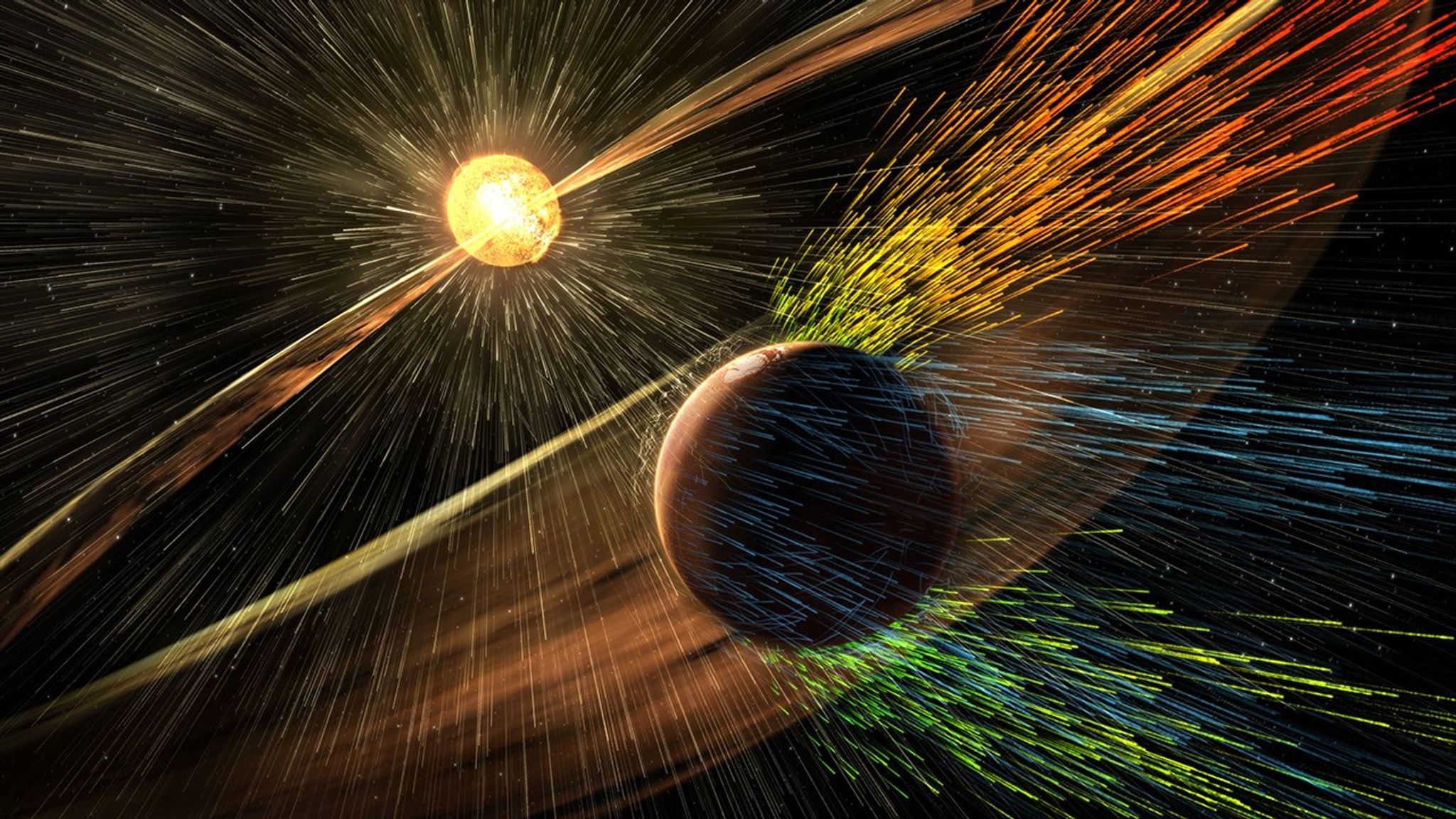
            "image_url": "https://www.nasa.gov/wp-content/uploads/2026/07/pia22076.jpg",
            "news_site": "NASA",
            "summary": "This July 23, 2026, illustration depicts charged particles from a solar storm stripping away charged particles of Mars’ atmosphere, one of the processes of Martian atmosphere loss studied by NASA’s MAVEN (Mars Atmosphere and Volatile Evolution) mission. NASA MAVEN mission scientists have found that certain types of auroras on Mars form in a similar way […]",
            "published_at": "2026-07-29T15:20:28Z",
            "updated_at": "2026-07-29T15:30:12.706316Z",
            "featured": false,
            "launches": [],
            "events": []
        },
        {
            "id": 39221,
            "title": "LatConnect 60 Accelerates SWIRSAT Constellation Growth Anchored in Western Australia with Expansion into Malaysia and UAE",
            "authors": [
                {
                    "name": "LatConnect 60",
                    "socials": null
                }
            ],
            "url": "https://spacenews.com/latconnect-60-accelerates-swirsat-constellation-growth-anchored-in-western-australia-with-expansion-into-malaysia-and-uae/",
            "image_url": "https://i0.wp.com/spacenews.com/wp-content/uploads/2026/07/latconnect-60-logo-square-scaled.png?fit=1024%2C1024&ssl=1",
            "news_site": "SpaceNews",
            "summary": "\nPERTH, Western Australia — LatConnect 60 (LC60) is executing on a multi-geography industrial plan to accelerate its SWIRSAT constellation, anchoring core technology development and payload manufacturing in Western Australia while […]\nThe post LatConnect 60 Accelerates SWIRSAT Constellation Growth Anchored in Western Australia with Expansion into Malaysia and UAE appeared first on SpaceNews.",
            "published_at": "2026-07-29T14:38:53Z",
            "updated_at": "2026-07-29T14:40:34.676034Z",
            "featured": false,
            "launches": [],
            "events": []
        },
        {
            "id": 39220,
            "title": "MaiaSpace Ditches Suborbital Test Flight Plans",
            "authors": [
                {
                    "name": "European Spaceflight",
                    "socials": null
                }
            ],
            "url": "https://europeanspaceflight.com/maiaspace-ditches-suborbital-test-flight-plans/",
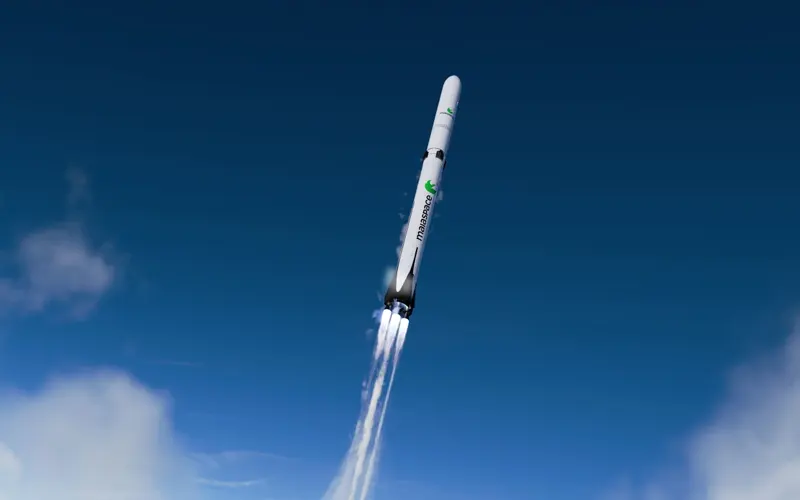
            "image_url": "https://europeanspaceflight.com/wp-content/uploads/2026/07/MaiaSpace-Ditches-Suborbital-Test-Flight-Plans.webp",
            "news_site": "European Spaceflight",
            "summary": "MaiaSpace has scrapped plans to conduct a suborbital test flight of its Maia rocket, opting instead to proceed straight to a full orbital launch attempt for the vehicle’s inaugural flight in the second half of 2027. Under its initial development roadmap, the ArianeGroup subsidiary would have flown a full two-stage Maia vehicle with a reduced […]\r\nThe post MaiaSpace Ditches Suborbital Test Flight Plans appeared first on European Spaceflight.",
            "published_at": "2026-07-29T14:33:22Z",
            "updated_at": "2026-07-30T06:35:09.069610Z",
            "featured": false,
            "launches": [
                {
                    "launch_id": "b40ee62a-db10-4eb0-bb00-2cfbf6d2a3eb",
                    "provider": "Launch Library 2"
                }
            ],
            "events": []
        }
    ]
}